Florence Food Markets: Mercato Centrale, Sant'Ambrogio and Where to Eat in Them
A guide to Florence's markets: the Mercato Centrale's two floors, the local Sant'Ambrogio market, the San Lorenzo stalls, and what to eat and buy at each.
Editorial guide · Updated 2026-10-24
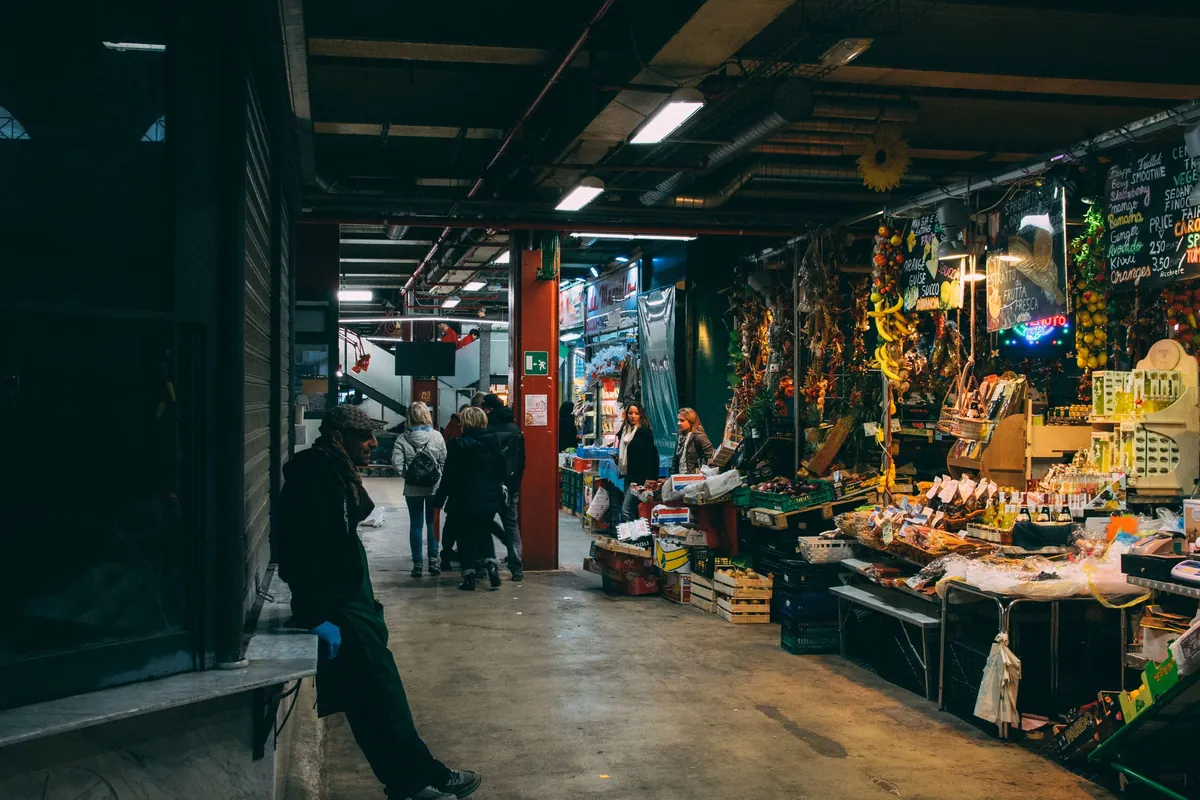
Florence's markets are where the city's food culture is easiest to see and cheapest to eat. Two are worth planning around; a third is mostly for shopping.
Mercato Centrale (San Lorenzo)
The big iron-and-glass market hall north of San Lorenzo dates from the 1870s. It works on two floors that feel like two different places.
Ground floor: the working market
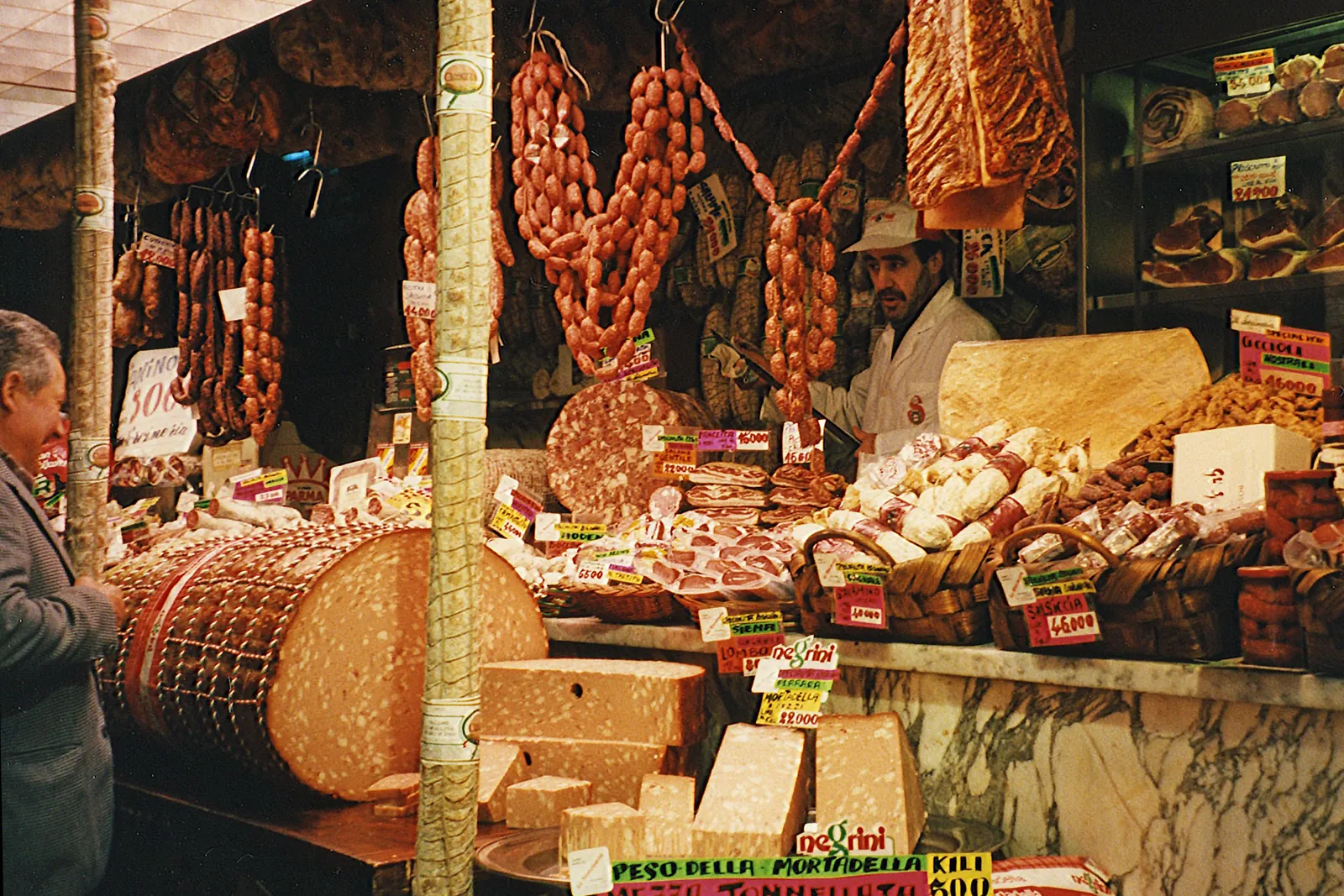
Butchers, tripe sellers, cheesemongers, bakers, greengrocers and delicatessens, used by restaurants and residents. This is where to buy pecorino, finocchiona, dried porcini, olive oil and beans to take home (check your country's import rules for meat and dairy). It is a morning-and-lunchtime market and usually closed on Sundays.
The essential stop is Da Nerbone, a counter that has fed market workers since the 19th century. Order a boiled beef (bollito) or lampredotto roll, "bagnato" (top dipped in broth), with green sauce. Pay at the till first, then hand over your receipt.
First floor: the food hall
Opened in 2014, the upper floor is a modern food court with counters for fresh pasta, pizza, Tuscan meats and cheese, a wine bar, and more. It opens daily until late evening. It is more expensive than the stalls downstairs and less characterful, but practical for a group, a rainy evening, or a late lunch when trattorias have closed their kitchens.
Around the market
The streets around the hall are full of outdoor stalls selling leather, scarves and souvenirs (see below), and of trattorias that grew up feeding the market: Trattoria Mario for lunch, Trattoria Zà Zà on the square.
Sant'Ambrogio market
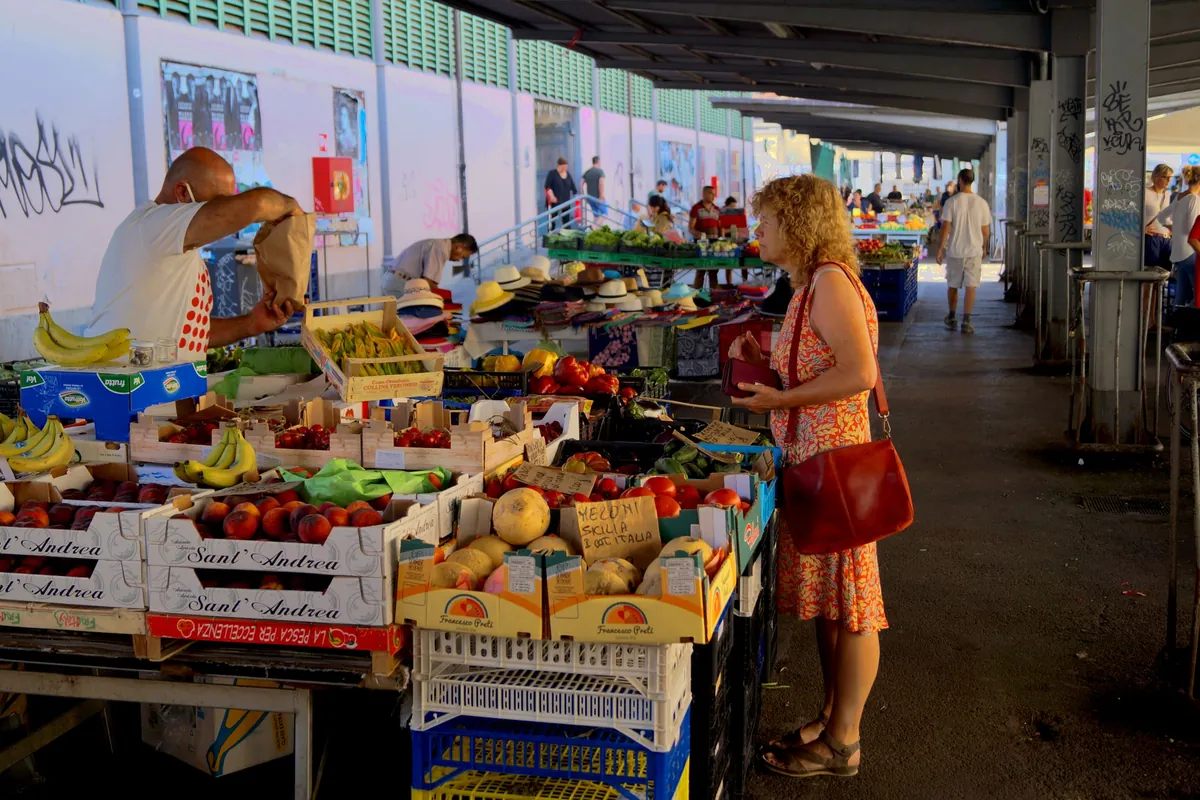
East of Santa Croce, the Sant'Ambrogio market is smaller, cheaper and more local. Farmers and greengrocers set up outside; inside are butchers, fishmongers, cheese counters and a simple lunch counter where people who work in the market eat. Mornings only, usually closed on Sundays.
The neighbourhood around it is one of the best in the city for food: Cibrèo Trattoria is on Via de' Macci.
The San Lorenzo stalls and leather
The stalls around San Lorenzo sell leather jackets, bags and belts at prices that invite bargaining. Some sell decent Italian leather; many sell imported goods labelled vaguely. Before buying:
- Look at the stitching, the edges and the lining.
- Real leather smells of leather, not plastic or glue.
- Ask where it was made, and be sceptical of the answer.
- Compare with a workshop such as the Scuola del Cuoio behind Santa Croce, where you can see leather being worked.
Other markets
- Mercato Nuovo (the "Porcellino" market), a 16th-century loggia near Piazza della Repubblica with a bronze boar whose nose you rub for luck. Souvenirs, mostly.
- Piazza Santo Spirito has a small morning market and periodic markets of crafts and antiques; check local listings for dates.
Tips
- Go early for the best produce and the shortest queues.
- Bring small notes and coins; not every stall takes cards.
- Ask before touching fruit and vegetables at a stall; the vendor usually picks for you.
- Cheese and cured meats can be vacuum-packed for travel if you ask.
In pictures
Places mentioned in this guide
Tickets and tours
Partner links. We may earn a commission at no extra cost to you.
Frequently Asked Questions
When is the Mercato Centrale open?
The ground-floor food market is a morning-and-lunchtime market and is usually closed on Sundays. The upstairs food hall opens daily into the evening. Check current hours before you go.
Is the San Lorenzo leather market worth it?
Quality varies a lot. Some stalls sell good leather at fair prices; many sell imported goods. Know what you want, check the stitching and the smell, and compare with a workshop before buying.
Which Florence market is the most local?
Sant'Ambrogio, east of Santa Croce. It is smaller than the Mercato Centrale and still used for everyday shopping by people who live nearby.