Florence neighbourhoods
A compact city with distinct quarters: the crowded centre, the workshops across the river, and quiet residential streets ten minutes from the Duomo.
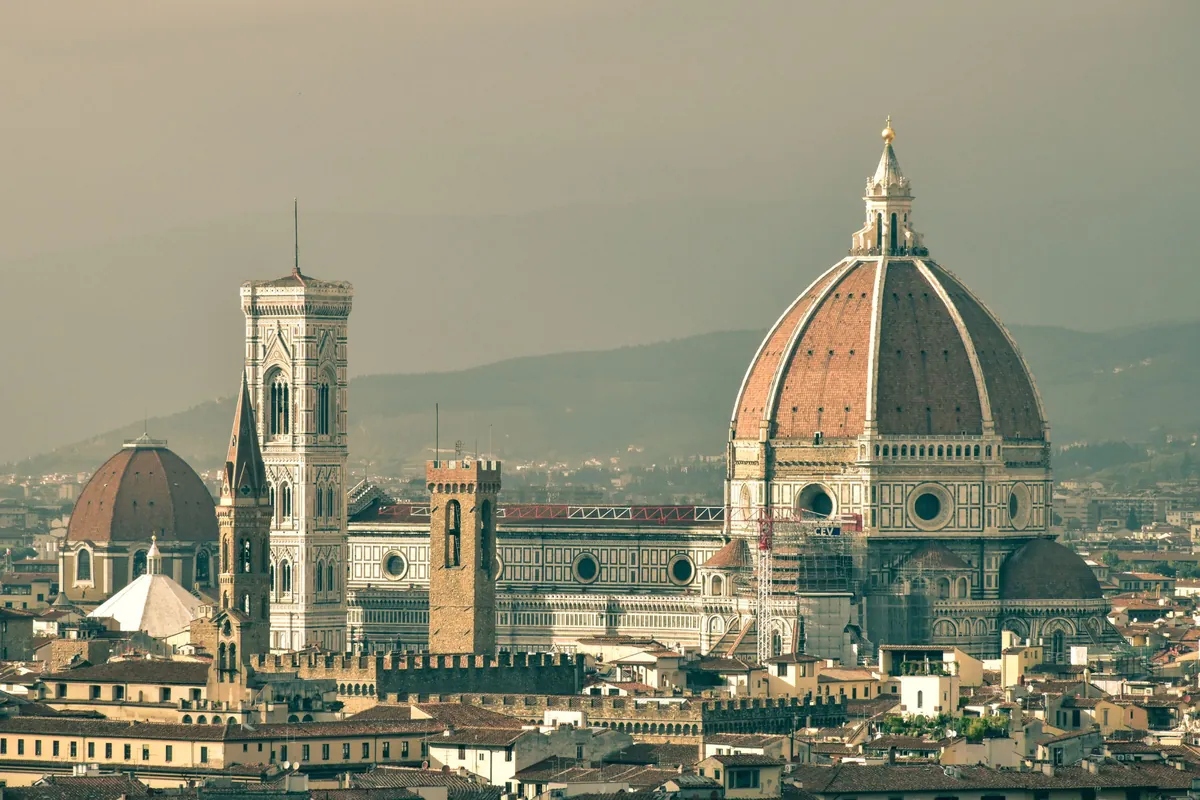
historic core, monuments, busiest streets
Duomo and Signoria
The medieval and Renaissance core between the cathedral and the river: Piazza del Duomo, Piazza della Signoria, the Uffizi and the north end of Ponte Vecchio. Almost everything famous is here, which is why it is also the most crowded and expensive part of town. Stay here for convenience; eat a few streets away.
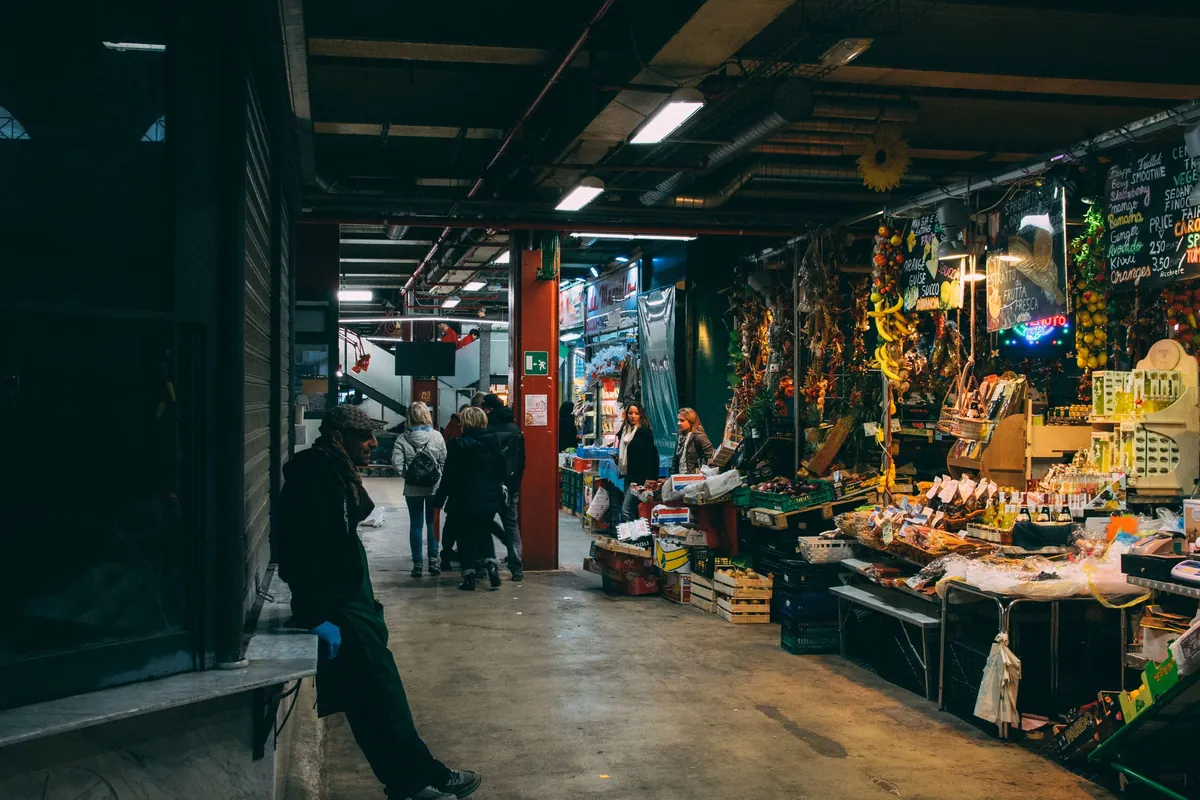
market streets, Medici church, busy and practical
San Lorenzo
The streets around the Medici parish church of San Lorenzo and the Mercato Centrale. By day the outdoor leather stalls and the market halls make it loud and commercial; it is also where you find some of the city's most traditional lunch counters. Close to Santa Maria Novella station.
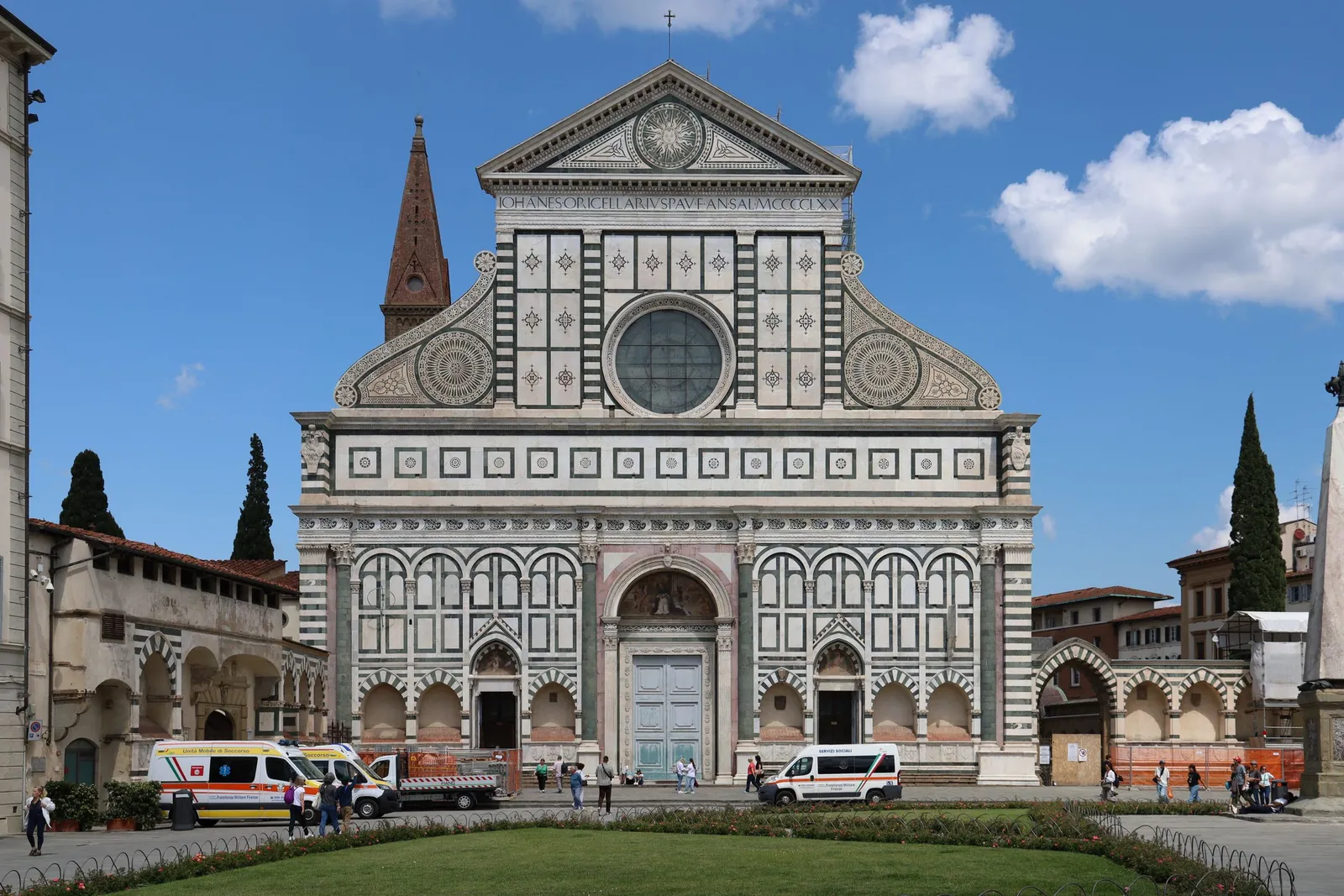
station, church square, old pharmacies
Santa Maria Novella
The area between the main railway station and the river, anchored by the green-and-white marble front of Santa Maria Novella. Practical rather than pretty near the station, it gets more interesting towards Via della Scala, the old Officina Profumo-Farmaceutica and the quiet streets near Ognissanti.
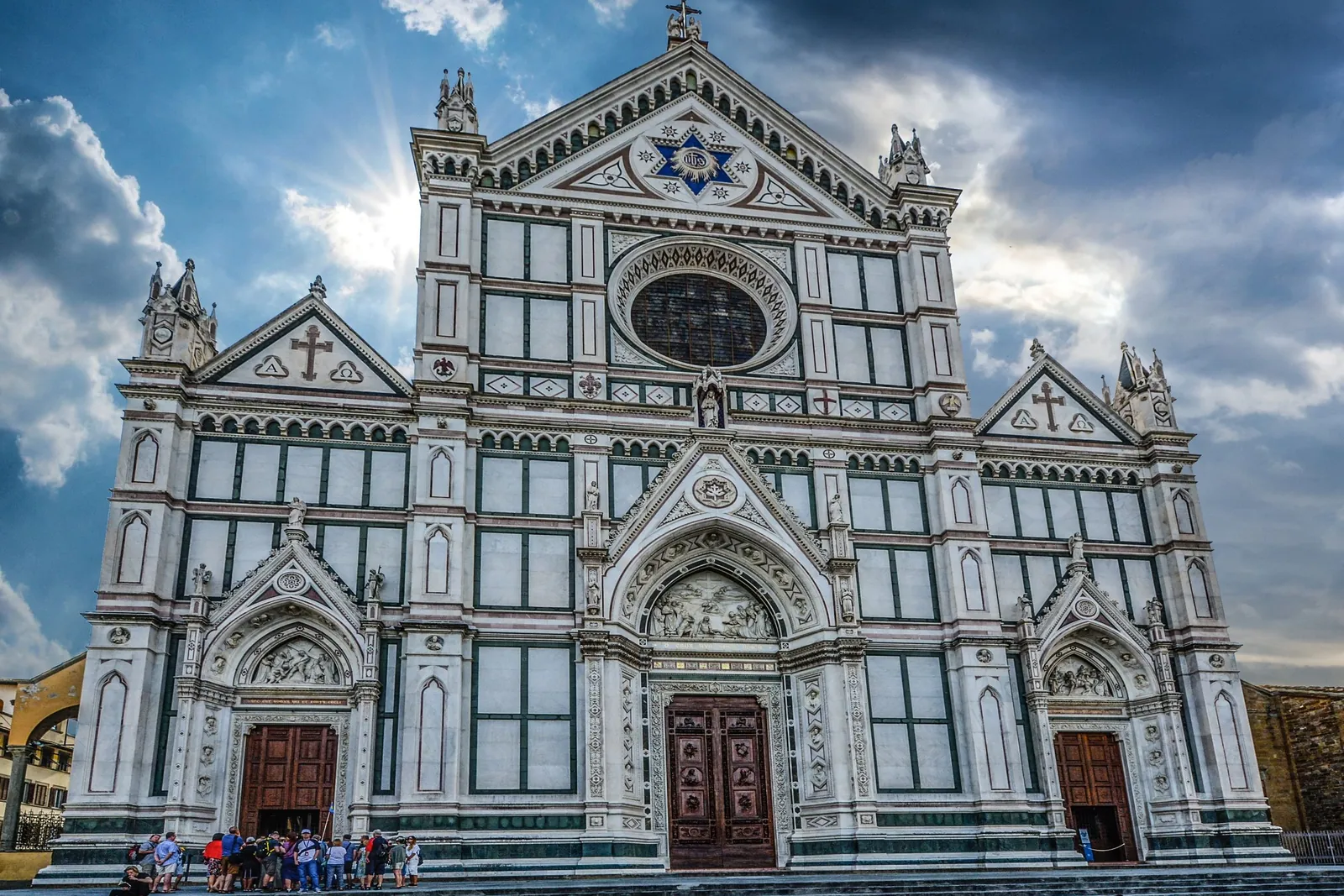
basilica square, leather workshops, students, late bars
Santa Croce
The eastern side of the centre around the Franciscan basilica of Santa Croce, where Michelangelo and Galileo are buried. Lively at night thanks to students and bars, with leather workshops behind the church and some of the best-known gelaterie in the city along Via dei Neri and Via Ghibellina.
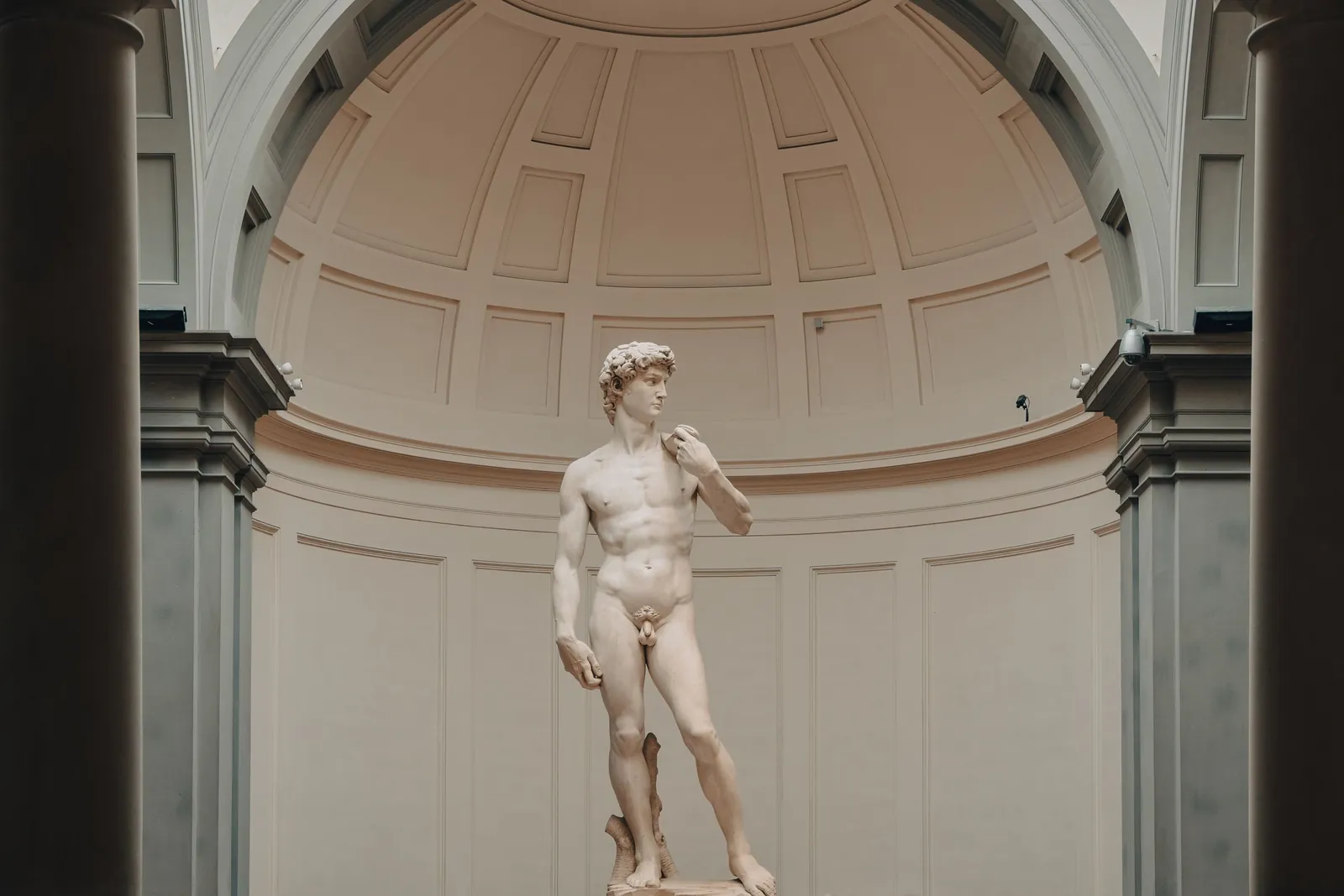
university quarter, convent museum, the David
San Marco
North of the Duomo, around Piazza San Marco: the Accademia with Michelangelo's David, the convent museum of San Marco with Fra Angelico's frescoes, and the university. Busy with queues by day, residential and calm after dark.
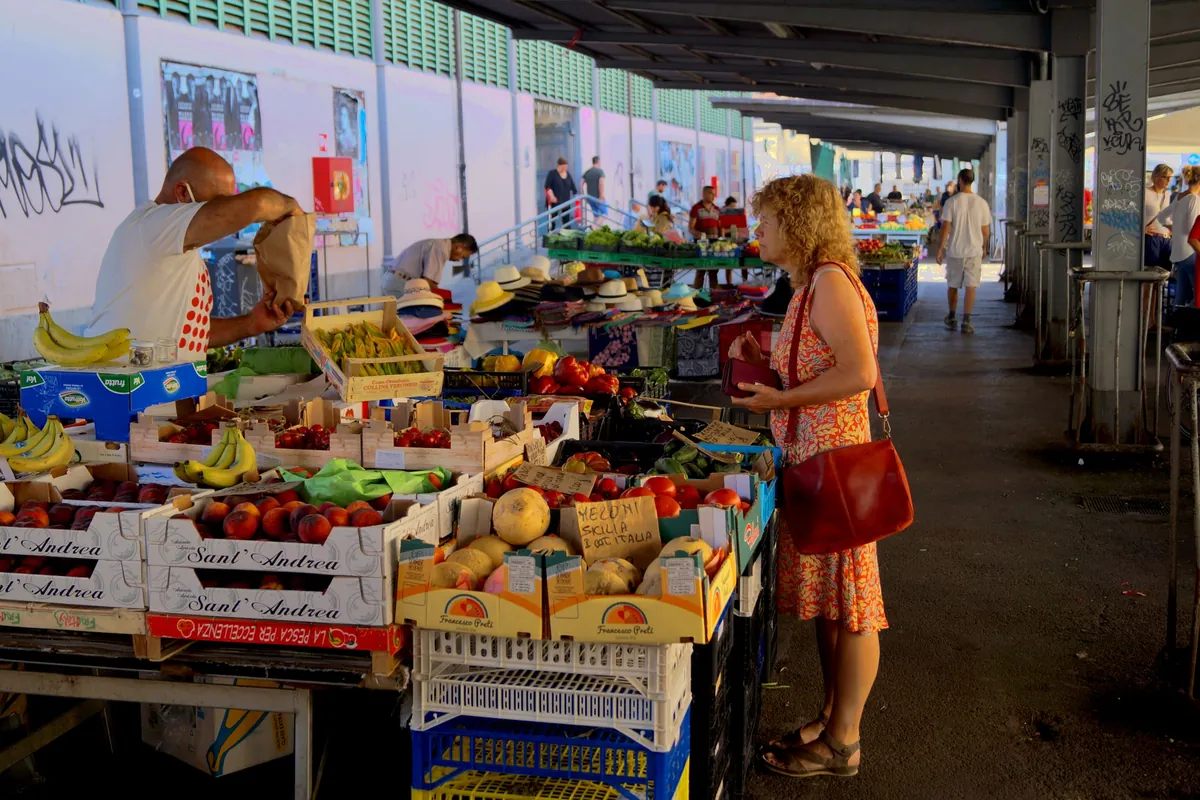
neighbourhood market, local trattorias, wine bars
Sant'Ambrogio
A residential quarter east of Santa Croce built around the Sant'Ambrogio market, where Florentines still do their shopping. Fewer sights, more everyday life: trattorias, wine bars and the Cibrèo group of restaurants on Via de' Macci.
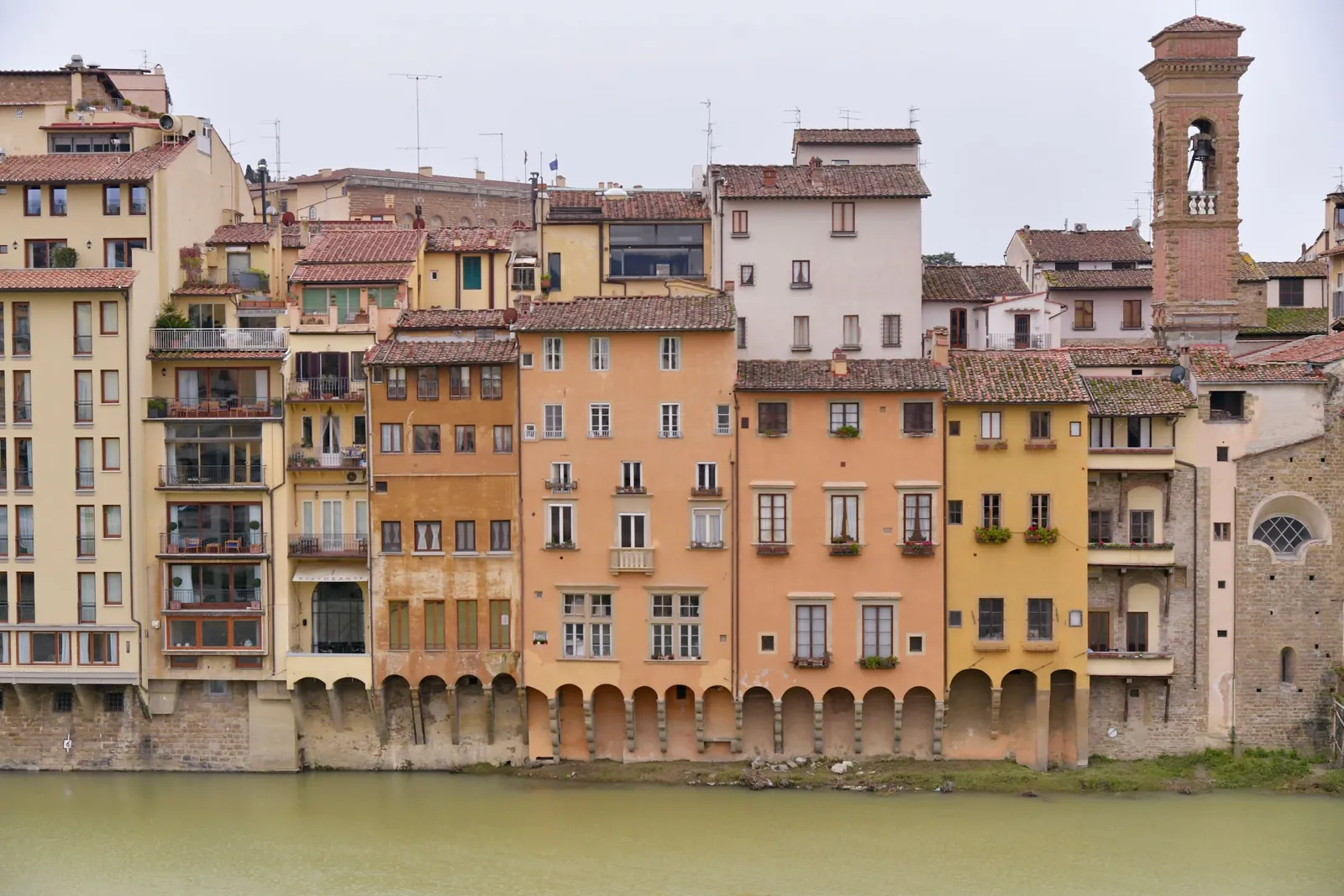
artisan workshops, church-step drinks, Pitti and Boboli
Santo Spirito
The heart of the Oltrarno, the south bank: a square with Brunelleschi's plain-fronted church, a morning market and bars that spill onto the steps at night. Around it are workshops for frames, gilding and restoration, and a short walk away, Palazzo Pitti and the Boboli Gardens.
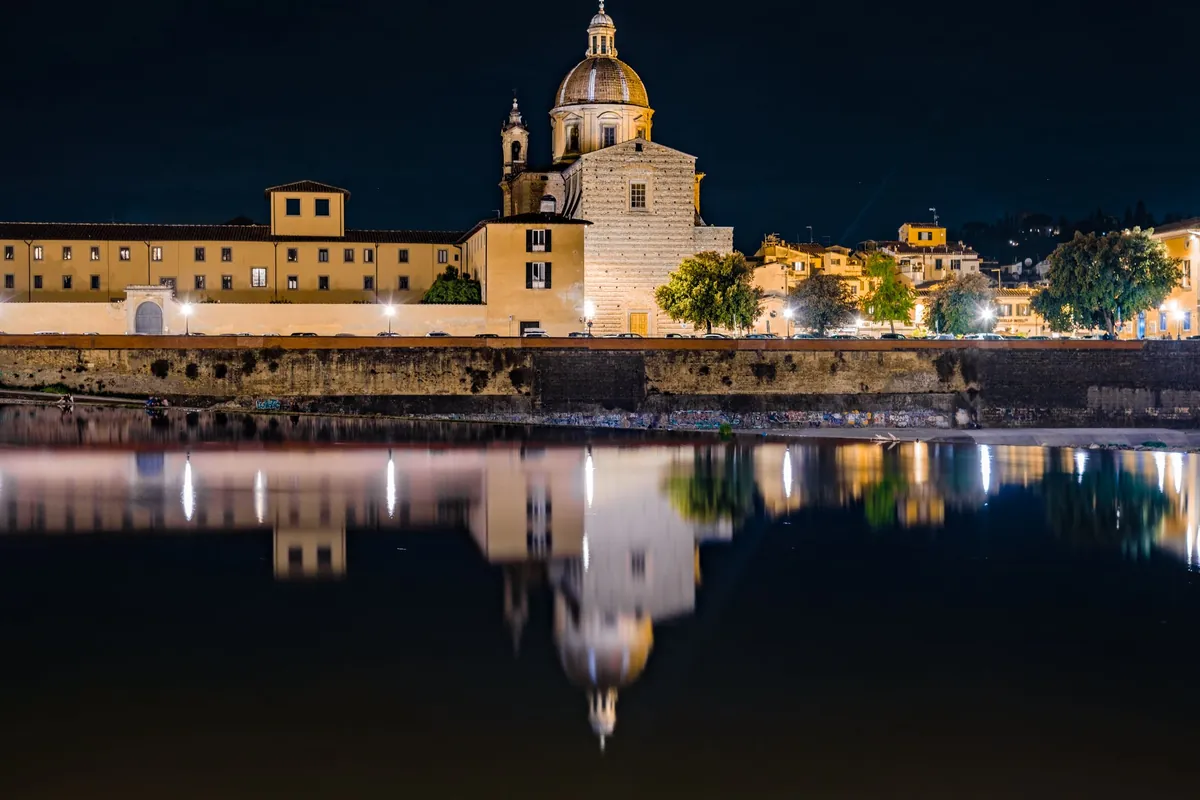
working-class roots, natural wine, quiet streets
San Frediano
The western end of the Oltrarno, towards the old city gate of Porta San Frediano. Once a working-class district, now one of the most pleasant places to eat and drink in the city, with the riverside church of San Frediano in Cestello and a few good gelaterie.
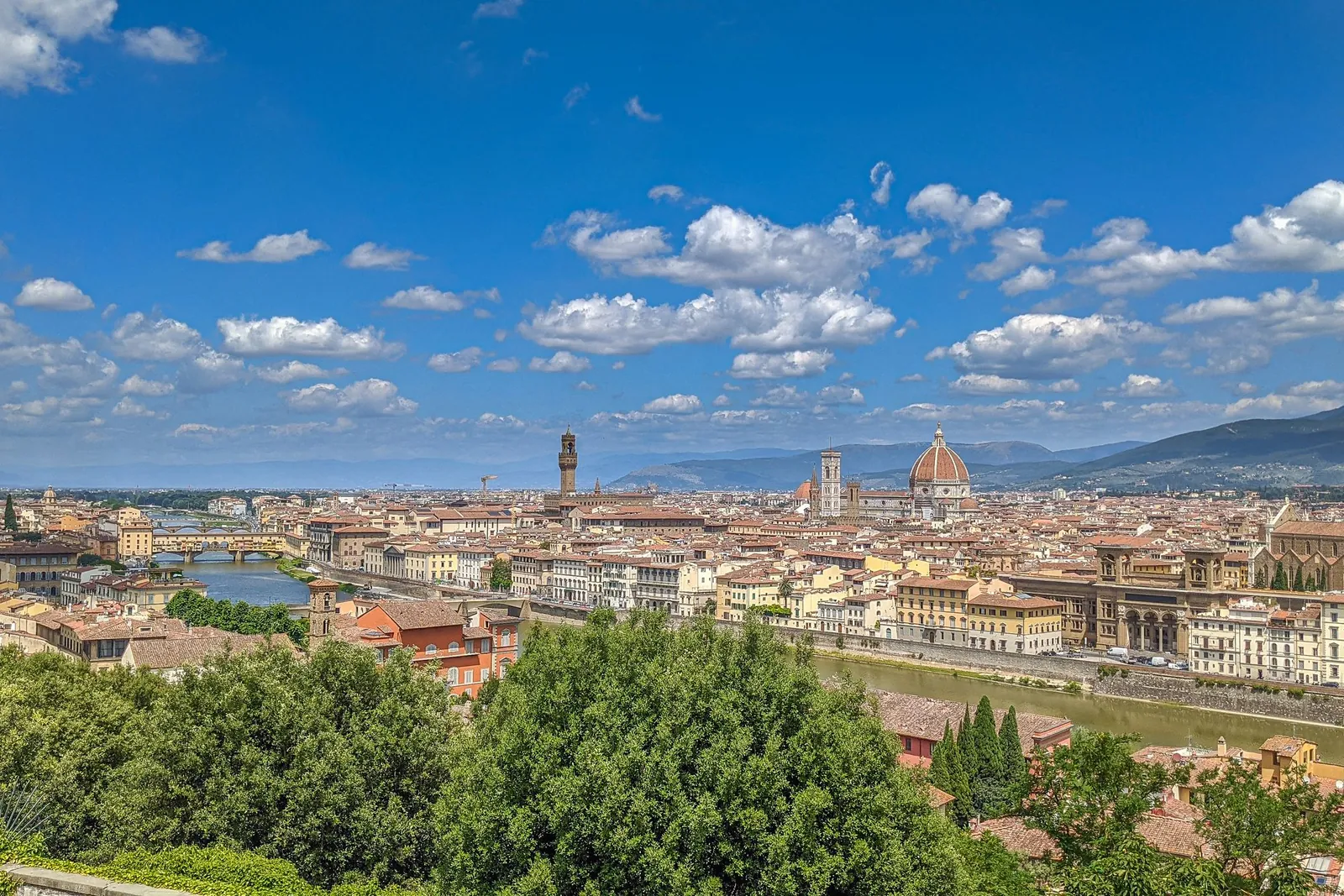
village feel under the hill, sunset viewpoints
San Niccolò
A small strip of streets below the hill of San Miniato, under the medieval tower of Porta San Niccolò. It is the starting point for the climb to Piazzale Michelangelo, the Rose Garden and San Miniato al Monte, and has a handful of bars for afterwards.
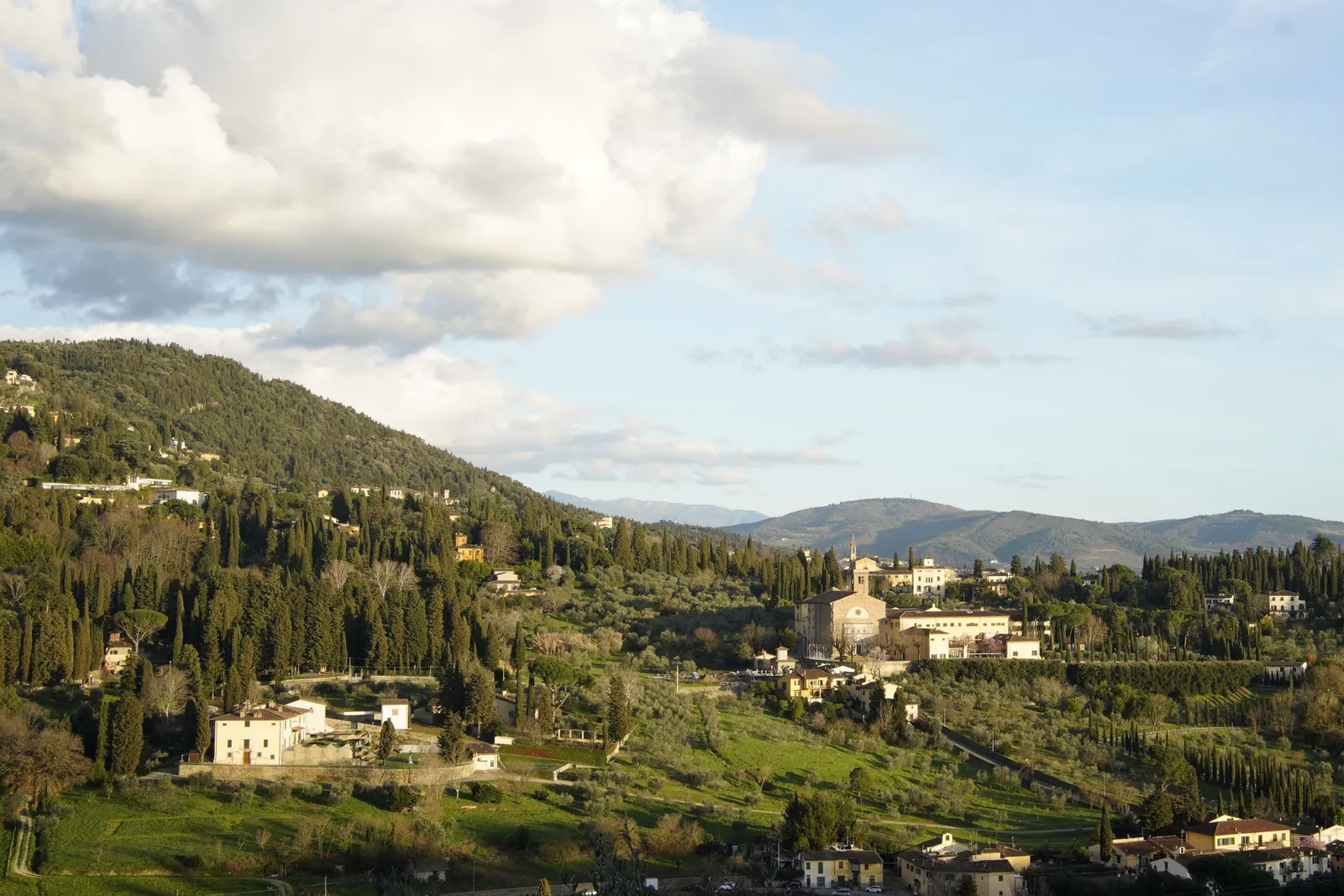
hill town, Roman ruins, cooler air
Fiesole
A small town on the hill north-east of Florence, older than the city itself, with an Etruscan and Roman archaeological area and views back over the valley. Reached by city bus in about 20 to 30 minutes; plan it as a half-day, not a quick stop.