Uffizi Gallery: Tickets, Timing and What to See
How to book the Uffizi, when to go, how long to allow, and the rooms worth your energy, from Giotto and Botticelli to Leonardo, Michelangelo and Caravaggio.
Editorial guide · Updated 2026-10-24
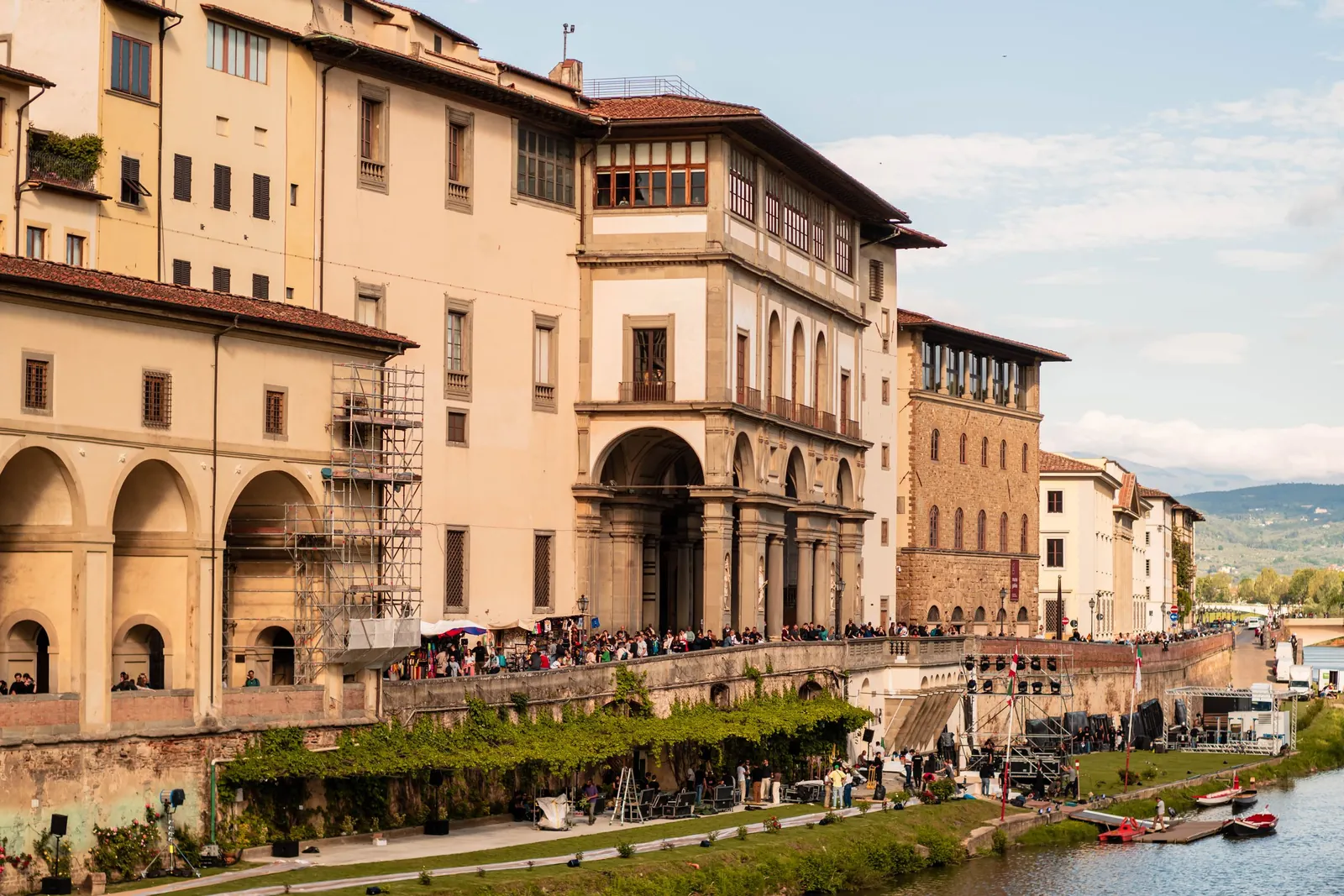
The Uffizi is the reason many people come to Florence, and the museum knows it. It is busy every open day of the year. With a booked slot and a plan, it is also one of the great museum visits anywhere.
Tickets and booking
According to the official Uffizi site in October 2026:
- Opening hours: Tuesday to Sunday, 8:15 to 18:30. The ticket office closes at 17:30.
- Closed: Mondays, 1 January and 25 December.
- Price: €25 for a named ticket bought on the day, €29 if bought before the day of your visit, with reduced and free categories set by national rules.
Prices and rules have changed several times in recent years, so check the official site (uffizi.it) before you book. The advance price includes a time slot; the queue for people with a slot is far shorter than for people without one.
The Uffizi is part of the Uffizi Galleries, which also include Palazzo Pitti and the Boboli Gardens. Combined multi-day tickets for all three are sold on the same site and are worth considering if you plan to see Pitti.
When to go
- First slot of the day gives you the Botticelli rooms before the tour groups catch up.
- Late afternoon is the other quiet window, once groups have left. Two to three hours before closing is enough for the highlights.
- Avoid Tuesdays in high season if you can: with most state museums closed on Mondays, Tuesday absorbs the backlog.
- Avoid free days unless saving the ticket price matters more than being able to see anything.
The route
The museum is on the second floor of a U-shaped building designed by Giorgio Vasari as offices (uffizi) for the Medici government. The main sequence runs roughly chronologically along the east corridor, round the short end overlooking the river, and back along the west corridor, then down to the first floor.
East corridor: Gothic to early Renaissance
Start with the three great altarpieces of the Madonna in Majesty by Cimabue, Duccio and Giotto, hung in one room. They show, side by side, painting moving from Byzantine flatness towards weight and space.
Then Piero della Francesca's double portrait of the Duke and Duchess of Urbino, in profile against a landscape, and Paolo Uccello's Battle of San Romano.
The Botticelli rooms
The reason for the crowd: The Birth of Venus and Primavera, hung near each other with a handful of his other works. Stand back from the front row; both are large enough to read from further away. If you arrived early, come here first and go back to the Gothic rooms afterwards.
Leonardo and Michelangelo
Leonardo's early Annunciation and the unfinished Adoration of the Magi are nearby. Michelangelo's Doni Tondo, his only finished panel painting in Florence, is a few rooms on, still in its original carved frame.
The river end
The short corridor across the end of the building has the best window views in the museum: Ponte Vecchio and the Arno one way, Palazzo Vecchio's tower the other. It is a natural place to stop.
First floor: Venice and Caravaggio
The later collections are downstairs: Titian's Venus of Urbino, Raphael, and the room of Caravaggio with his Medusa painted on a shield and the young Bacchus. Many people run out of energy before reaching them. Plan a break at the café (on the terrace above the Loggia dei Lanzi) and then go down.
The Vasari Corridor
The elevated corridor that runs from the Uffizi over Ponte Vecchio to Palazzo Pitti reopened to the public in December 2024 after a long restoration. It must be booked separately, with a supplement, and numbers are limited. Check the Uffizi site for the current price and conditions.
Practical notes
- Bags larger than a small daypack go to the cloakroom.
- There is a security check at the entrance; allow time even with a slot.
- Photography without flash has generally been allowed for personal use.
- Strikes occasionally close the museum at short notice; the official site posts notices.
If you only have energy for one great museum in Florence, make it this one. If you have energy for two, make the second the Bargello or the Museo dell'Opera del Duomo, not another hour here.
In pictures
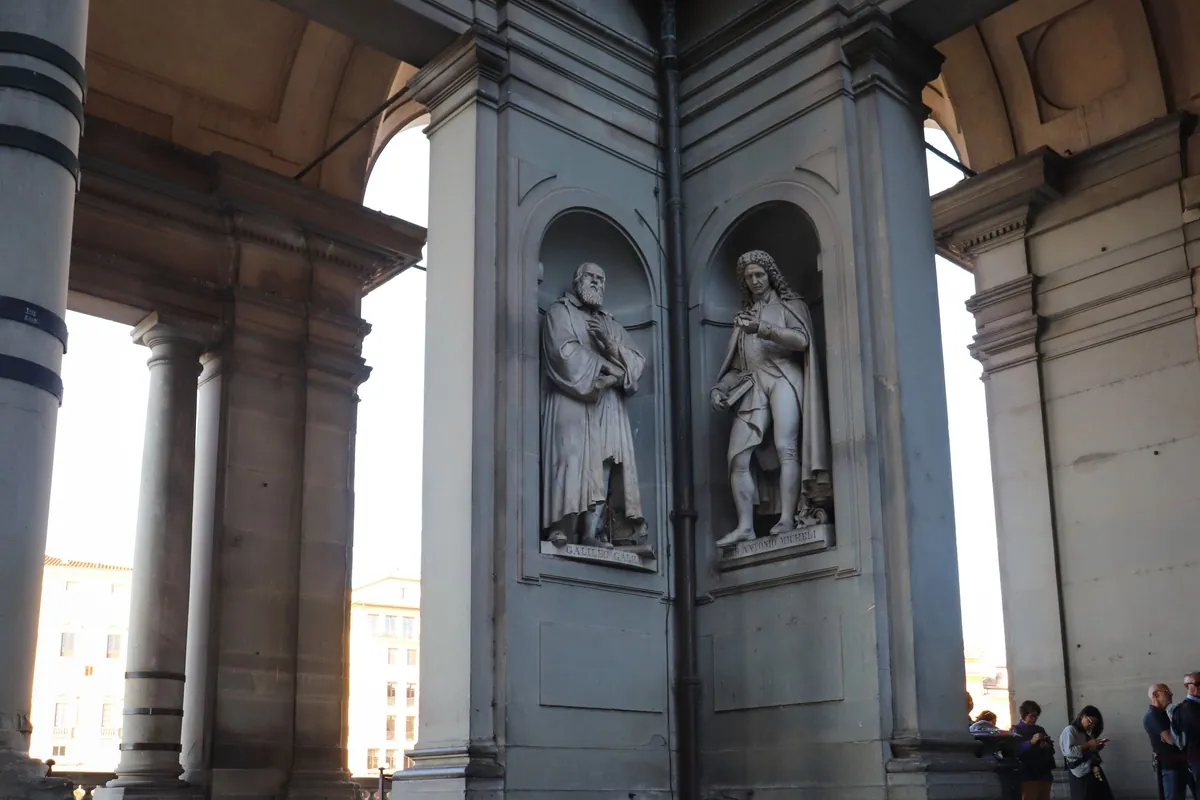
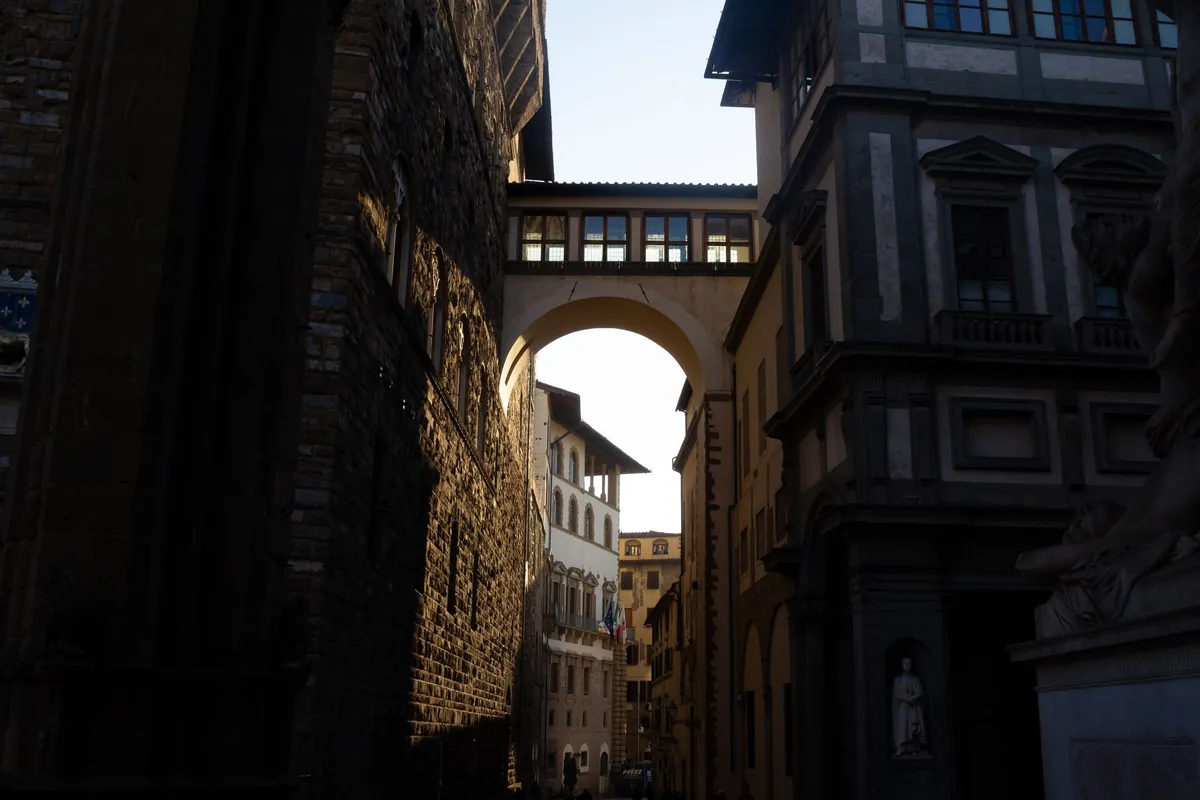
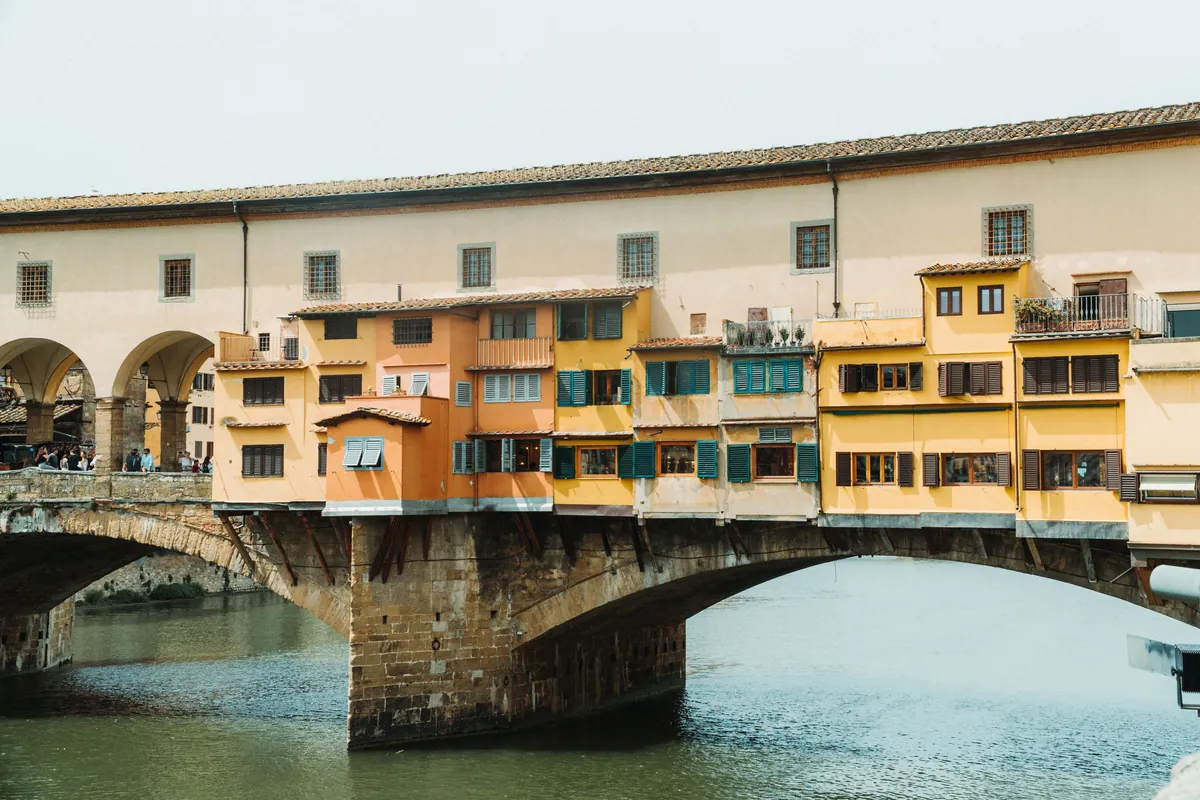
Places mentioned in this guide
Tickets and tours
Partner links. We may earn a commission at no extra cost to you.
Frequently Asked Questions
Do I need to book the Uffizi in advance?
You can buy on the day, but from spring to autumn the queue for same-day tickets can be long. A timed ticket booked in advance costs a little more and saves hours. Book on the official Uffizi site.
How long does the Uffizi take?
Allow at least three hours to see the main rooms without rushing. Two hours is possible if you go straight to the highlights.
What day is the Uffizi closed?
Mondays, plus 1 January and 25 December, according to the official site in October 2026.
Is the Uffizi free on the first Sunday of the month?
Italian state museums have run free first-Sunday openings for years, and they are very crowded. Check the official site for the current rules before planning around it.