Where to Stay in Florence: Which Area Suits You
How to choose where to stay in Florence: the Duomo, the station area, Santa Croce and Sant'Ambrogio, San Marco and the Oltrarno compared for noise, walking times, nightlife and value, plus booking tips.
Editorial guide · Updated 2026-10-28
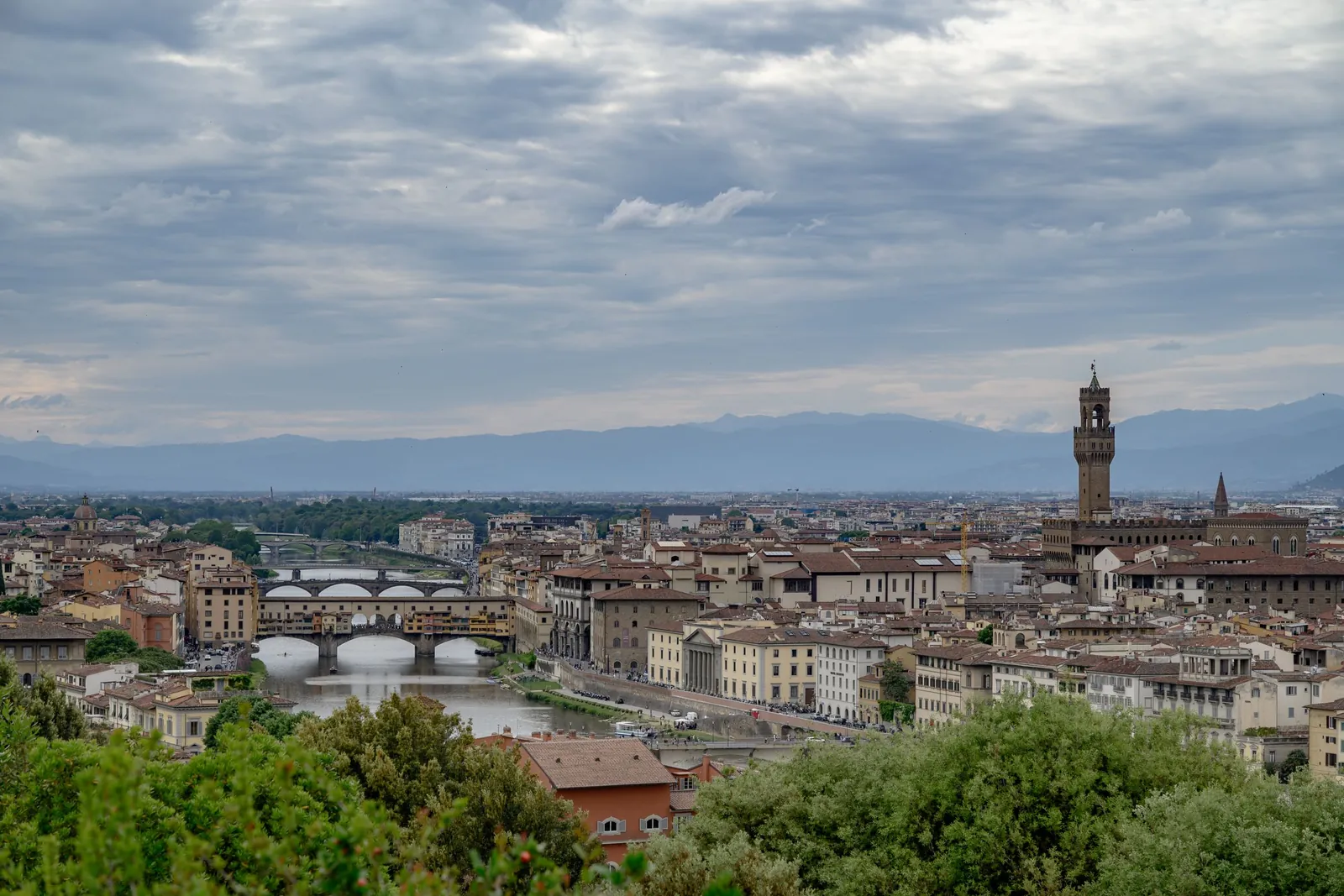
Where you sleep in Florence changes the trip more than the price does. The centre is small enough to walk across in half an hour, so no area is far from the sights. What differs is what you hear at 1 am, how far you carry your bags, and what is outside your door at breakfast.
This guide compares the areas by what they are like to live in for a few nights, so you can pick one before you open a booking site. It does not recommend individual hotels, because quality and prices change too often to rank honestly; it tells you what to check instead.
The short answer
| Area | Best for | The catch |
|---|---|---|
| Around the Duomo and Piazza della Signoria | Walking to everything, early museum slots | The most crowded and expensive streets, loud by day and in the evening |
| Station and San Lorenzo | Arriving by train or airport tram, day trips, good value | Busy streets and less character; some blocks feel transitional |
| Santa Croce and Sant'Ambrogio | Local restaurants, a lived-in feel, a ten-minute walk to the Duomo | Santa Croce has student nightlife; Sant'Ambrogio is quieter |
| San Marco and Santissima Annunziata | The Accademia, calm squares, a university quarter | Fewer restaurants than the Oltrarno; a little further from the Uffizi |
| Oltrarno (Santo Spirito, San Frediano) | Cafés, workshops, a village feel, evenings away from the crowds | Santo Spirito is noisy on weekend nights; you cross the river to reach the Duomo |
| Fiesole (the hill above the city) | Cool air in summer, views, quiet | A bus ride from the centre; evenings out mean planning your way back |
If you want one pick for a first visit of three or four nights, choose Santa Croce or the quieter streets near San Marco. They are walkable to the big sights and away from the loudest squares.
Around the Duomo and Signoria
This is where most people look first, and it is the right answer only for a specific kind of visit. You can be at the cathedral or the Uffizi in minutes, which helps with first-slot tickets, and the streets are lovely at night after the day-trippers leave.
The costs are real. Rooms here are usually the most expensive in the city for what you get, the pedestrian streets fill from mid-morning with tour groups, and restaurants on the main squares charge for the view. Late-night noise can reach upper floors, especially around the cathedral square and the lanes between Piazza della Repubblica and the river. If you are sensitive to noise, ask for a room on an interior courtyard or a higher floor and read recent reviews for it specifically.
Good if: it is a short stay, you want to walk to everything, or you plan early starts. Think twice if: you want a local feel or you are on a budget.
The station and San Lorenzo
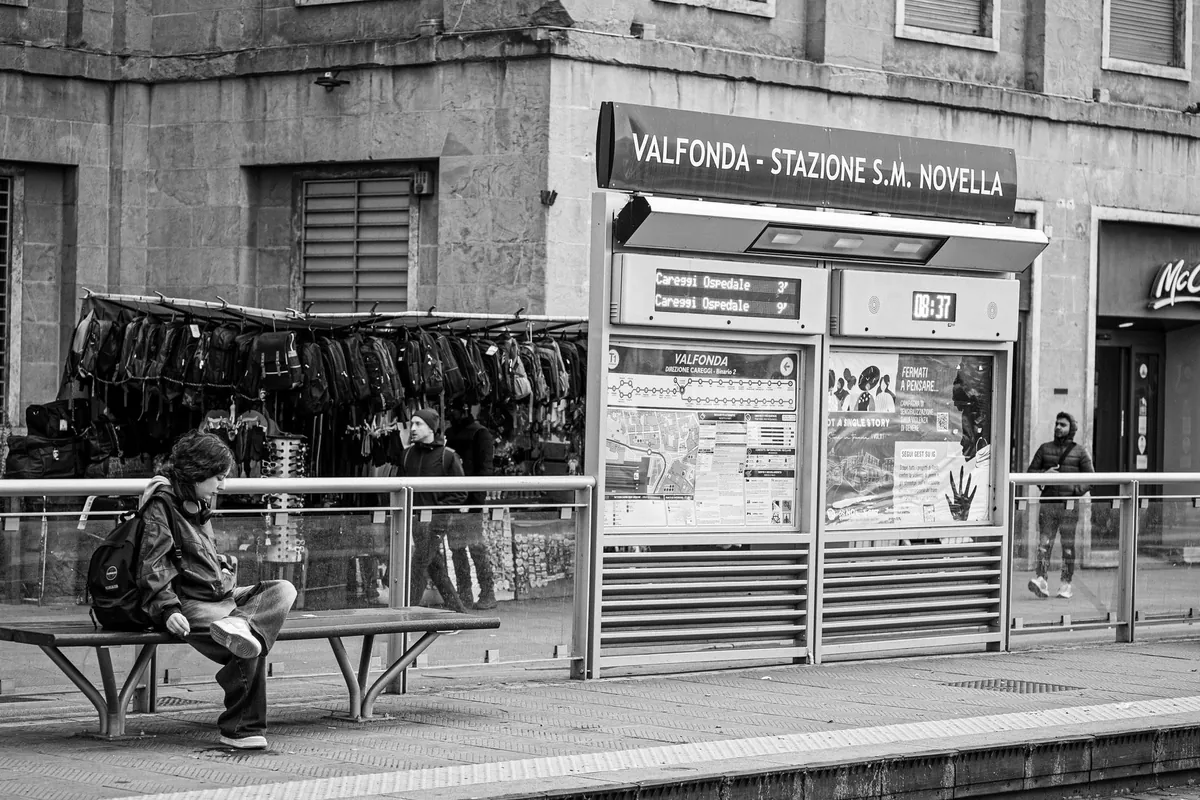
Santa Maria Novella is Florence's main station, and the airport tram (T2) stops nearby. If you arrive by train, are catching early trains for day trips, or are travelling with luggage, staying within a few minutes of the station removes a lot of effort. The Duomo is about ten minutes away on foot, and the Mercato Centrale and Medici Chapels are in San Lorenzo.
Hotels here are often better value than the same standard closer to the Duomo, and there is a big range of choice. The streets immediately around the station are busy and functional rather than charming, and some blocks feel more like a transit area than a neighbourhood. Walk the specific street on a map and read reviews for it, because the difference between one block and the next can be large.
Good if: you value convenience and value, or you are staying a night or two. Think twice if: you want a quiet, characterful base for a longer stay.
Santa Croce and Sant'Ambrogio
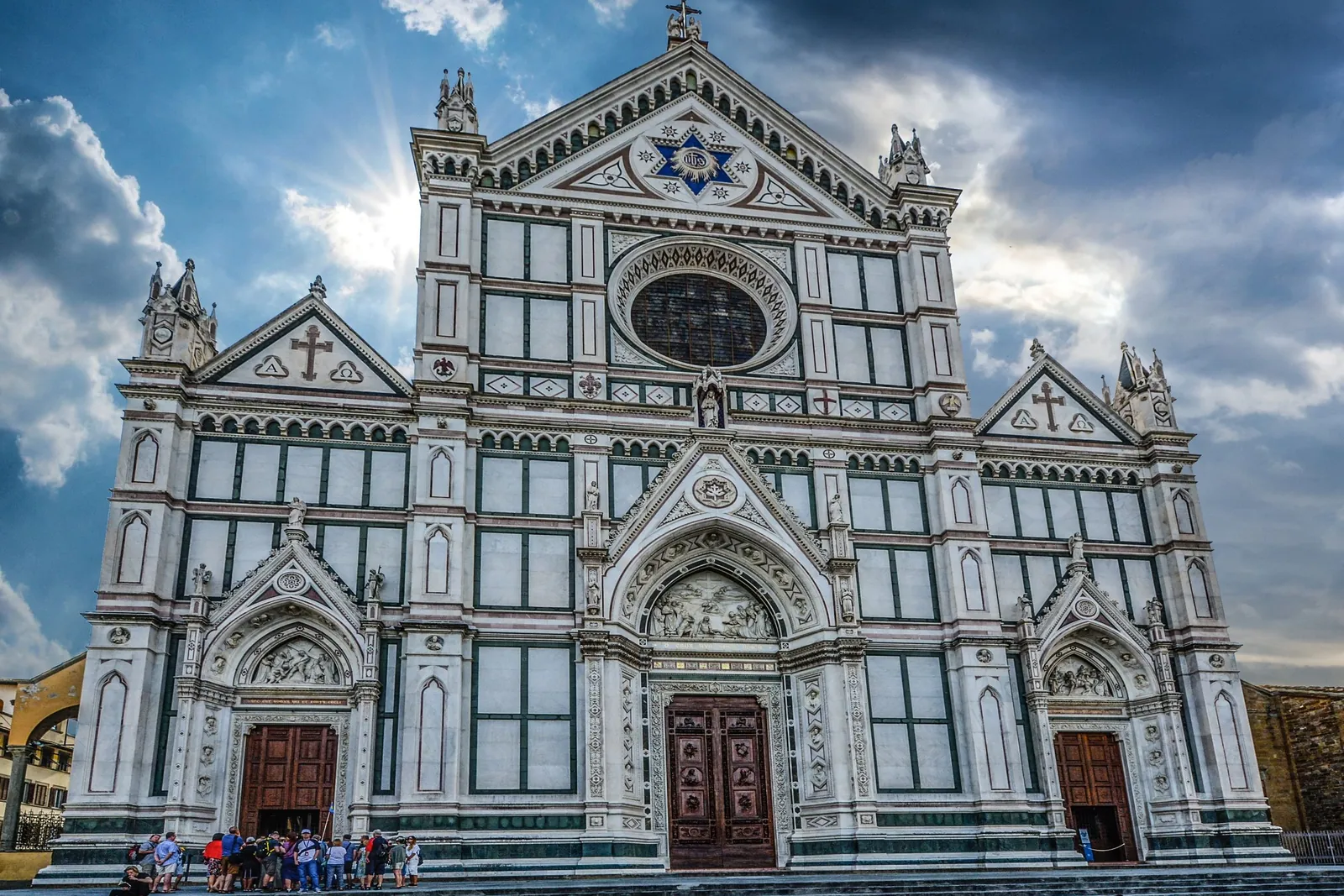
East of the Duomo, these two neighbourhoods are among the best places to stay for a balance of access and atmosphere. Santa Croce has the basilica, restaurants and gelaterie within a few minutes, and the Uffizi and Duomo are a short walk. Sant'Ambrogio, a little further east, is residential, with a morning market, neighbourhood trattorias and an easy pace.
Santa Croce draws students and has more bars open late, particularly around Via de' Benci and Via Ghibellina. If you want to sleep early, choose a side street, and ask about noise. Sant'Ambrogio is calmer.
Good if: you want to eat where locals eat and still walk to the big sights. Think twice if: you want a hotel with a lot of facilities; boutique and apartment stays are more common than large hotels.
San Marco and Santissima Annunziata
North of the Duomo, around the university quarter, this area suits visitors who plan to see the Accademia and the Museo di San Marco and want calm evenings. Piazza della Santissima Annunziata is among the city's most harmonious squares, and the streets are quieter at night than the centre. It is a ten to fifteen minute walk to the Duomo and a little longer to the Uffizi.
There are fewer restaurants and wine bars than in the Oltrarno or Santa Croce, though enough to eat well. You will walk further for an aperitivo.
Good if: you value quiet and plan an art-heavy trip. Think twice if: you want nightlife on your doorstep.
The Oltrarno: Santo Spirito and San Frediano
Across the river, the Oltrarno is where Florence still makes things: workshops, small wine bars, cafés and trattorias in streets with far fewer tour groups. It is the best area for a slower, more local stay, and evenings here are a pleasure.
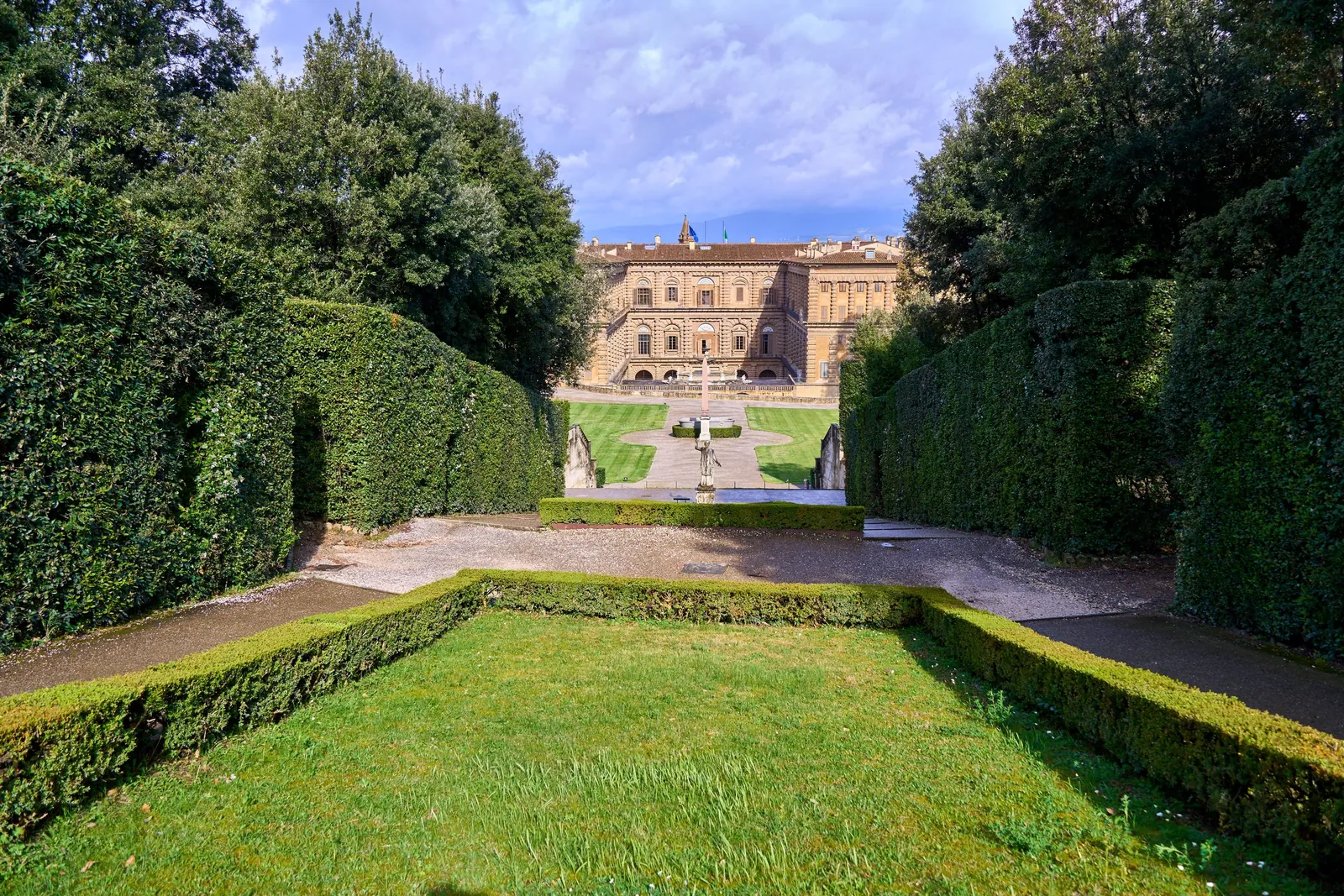
Be specific about the street. Piazza Santo Spirito is the neighbourhood's social centre and gets loud on summer weekend nights, with people on the church steps until late. San Frediano, to the west, is calmer, and the streets between Via Maggio and the Pitti Palace sit between the two. See our nightlife guide for how the square behaves.
The Oltrarno is a short walk across the Ponte Vecchio or the next bridge to the Uffizi and the Duomo, but it adds a river crossing to every plan. If your trip is built around the Accademia and San Lorenzo, you will cross it often.
Good if: you want atmosphere, good food and a village feel. Think twice if: you are noise-sensitive, or your days are full of museum slots on the north bank.
Fiesole
The hill town above the city is cooler in summer and has views and a Roman theatre, and it can be a pleasant base for a quiet trip. The catch is practical: it is a bus ride of about 20 to 30 minutes from the centre, and evenings out in Florence mean planning your way back. It works for a longer stay or if you value quiet over convenience, not for a short, packed visit.
How to choose
- Decide how you arrive. Train or airport tram: the station area or San Lorenzo saves effort. Car: see below.
- Decide how late you stay out. If you will be in bars until midnight, stay close; if you sleep early, pick a quiet street.
- Decide how much you will walk. Every area here is walkable, but a short trip rewards being close to the Duomo and Uffizi, and a longer one rewards a base with a neighbourhood feel.
- Check the street, not just the area. A quiet room on a side street in Santo Spirito beats a noisy one in a quiet district.
Booking tips that matter in Florence
- Air conditioning. Essential from June to September. Many older buildings have none or a weak unit, so confirm it works and that the room is not directly above a bar.
- Lifts and stairs. Many historic buildings have no lift, and the rooms are on upper floors up narrow stairs. If you have heavy luggage or limited mobility, check before you book.
- Cancellation. Rates with free cancellation cost more but let you commit early and adjust. This matters around Easter, May, September and the holidays, when prices rise sharply.
- Trade fairs. The Pitti Uomo menswear fair in January and June fills hotels and raises prices for a few days, so check the dates against yours.
- The city tax. It is charged per person per night on top of the room rate, up to seven nights, with children under 12 exempt. Published figures put it at about €3.50 to €8 depending on the category and about €6 for short-term rentals; check with your hotel.
- Apartments. They give space and a kitchen, which helps families, but check check-in arrangements, cleaning and noise rules, and whether the building is residential.
- Driving. The historic centre is a limited traffic zone with automatic fines for unauthorised entry. If you have a car, choose a hotel that can register your plate or has parking outside the zone. See getting around.
- Arrival and departure. Ask what time you can check in and whether the hotel will hold your bags. Early trains and late flights are easier with a base near the station; our airport transfers guide covers the options.
When to book
Florence fills in spring, early autumn and around Christmas. For Easter, May, September and the Christmas to New Year weeks, book as soon as your dates are fixed. In January, February and November, prices are lower and you can often decide later; see Florence in winter and Florence in autumn. A few nights in the cheapest month often costs less than one in the most expensive.
What to do next
Once you have an area, build your days around it with the three-day itinerary, and book the timed slots, such as the Uffizi and the Accademia, that depend on where you wake up. If budget is the main concern, see Florence on a budget, which covers where the savings are.
In pictures
Places mentioned in this guide
Frequently Asked Questions
What is the best area to stay in Florence for a first visit?
Santa Croce, Sant'Ambrogio or the quieter streets between the Duomo and San Marco suit most first-timers: you can walk to the Duomo, the Uffizi and the Accademia, but you are not sleeping above a tourist-heavy square. The Oltrarno is a good alternative if you prefer a village feel and do not mind crossing the river.
Is it better to stay near the train station?
It is the most convenient area if you arrive by train or tram from the airport and plan day trips, and hotels there are often good value. The streets around the station are busy and less characterful, so it suits a short, practical stay more than a slow one.
Do hotels in Florence charge a city tax?
Yes. Published figures put the tourist tax at about €3.50 to €8 per person per night depending on the accommodation category, about €6 for short-term rentals, for up to seven nights, with children under 12 exempt. It is usually paid on arrival or departure and is not part of the room price, so check with your hotel.
Do I need a hotel with air conditioning in Florence?
In July and August, yes. The valley traps heat and nights stay warm, and many older buildings have no air conditioning or only a weak unit. Check before you book, and ask whether the room faces a street or a courtyard.