District
Duomo and Signoria
Florence neighbourhood guide
historic core, monuments, busiest streets
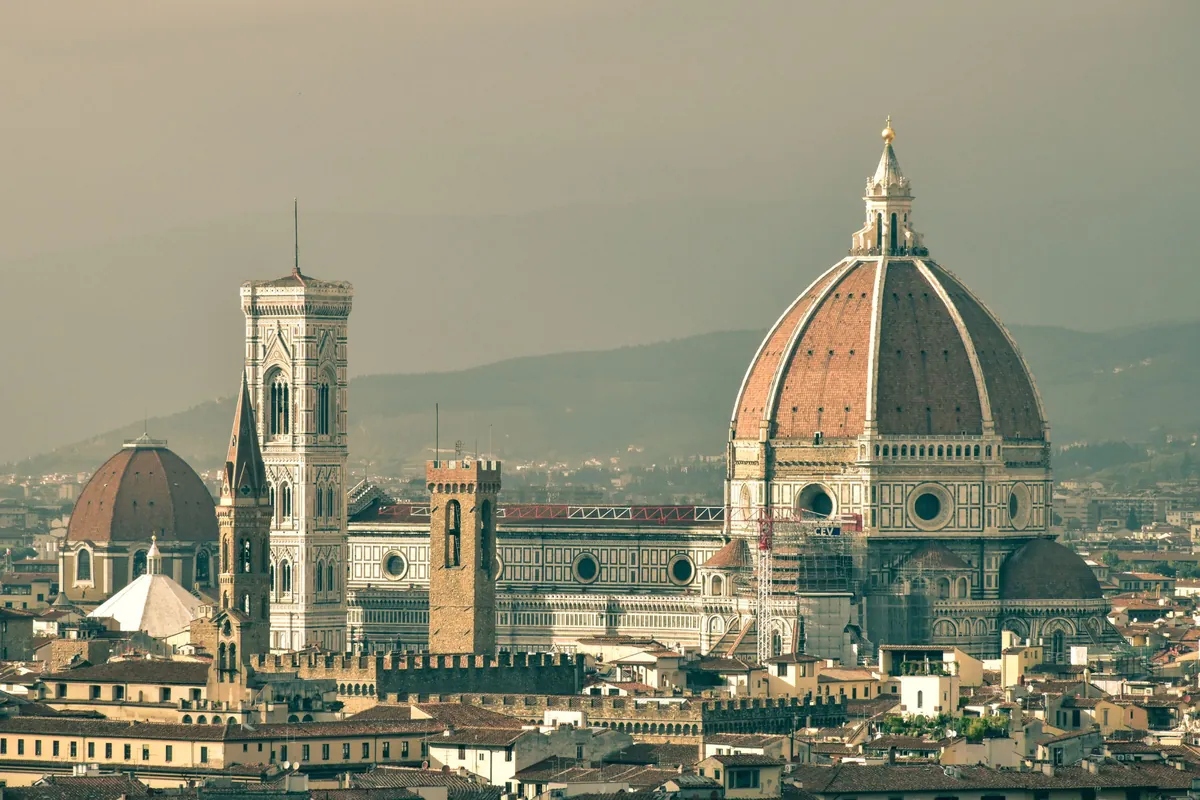
The medieval and Renaissance core between the cathedral and the river: Piazza del Duomo, Piazza della Signoria, the Uffizi and the north end of Ponte Vecchio. Almost everything famous is here, which is why it is also the most crowded and expensive part of town. Stay here for convenience; eat a few streets away.
Day trips from Florence
Siena · Pisa · Lucca · San Gimignano · Chianti
Most are about an hour away by train or bus.
Explore Duomo and Signoria
Plan Here →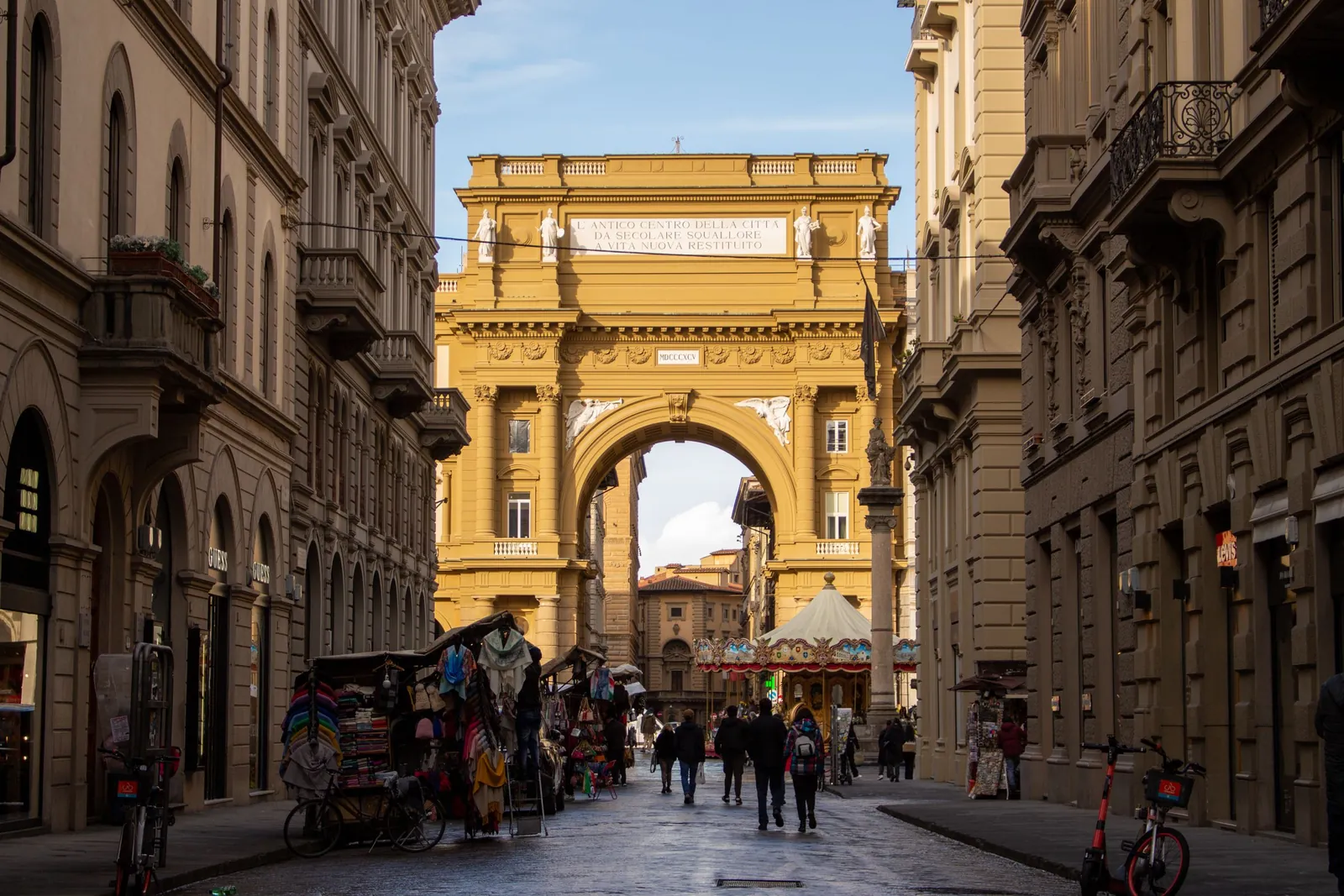
Caffè Gilli
A historic café on Piazza della Repubblica, open since the 18th century, with a belle-époque interior and a pastry counter. Stand at the bar for the ordinary price; table service on the square costs considerably more.
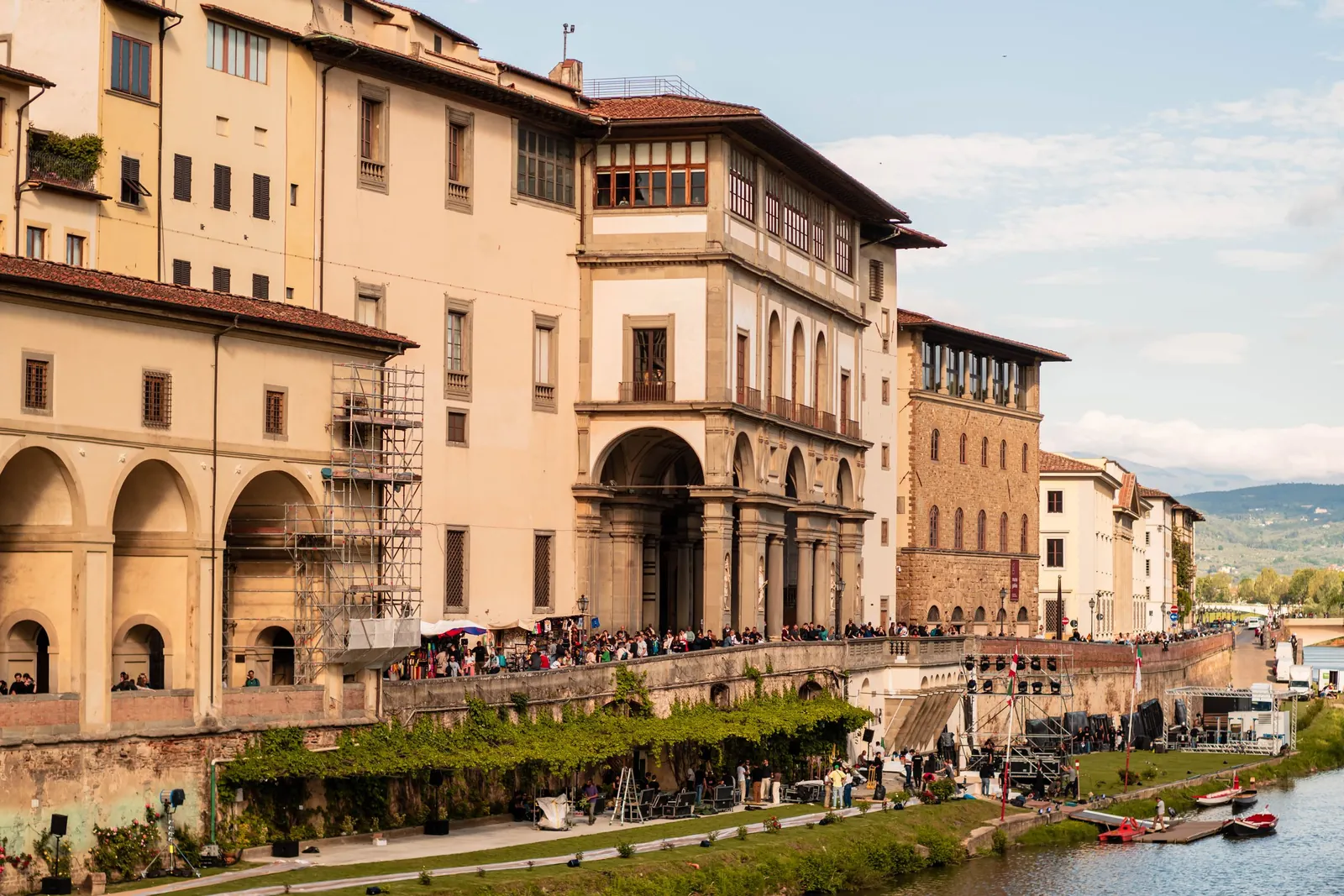
Uffizi Gallery
The great collection of Italian painting: Botticelli's Birth of Venus and Primavera, Leonardo, Michelangelo's Doni Tondo, Caravaggio. Book a timed ticket, arrive at the first slot or late in the afternoon, and give it at least three hours. Closed on Mondays.
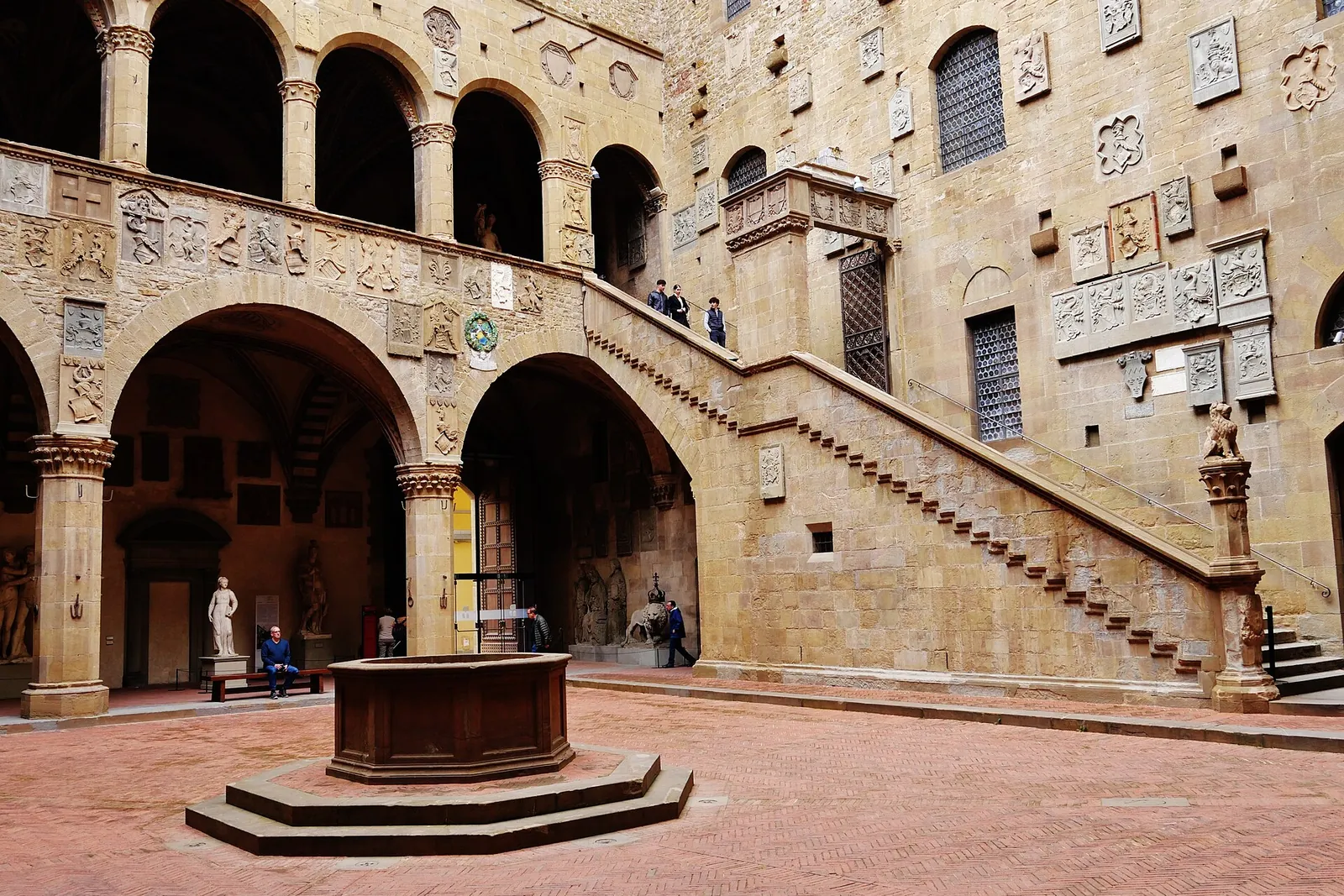
Bargello Museum
The national sculpture museum, in a fortress-like medieval palace. Donatello's bronze David, early Michelangelo and the two competition panels for the Baptistery doors are here, usually without a crowd. The best-value museum in Florence for anyone who cares about sculpture.
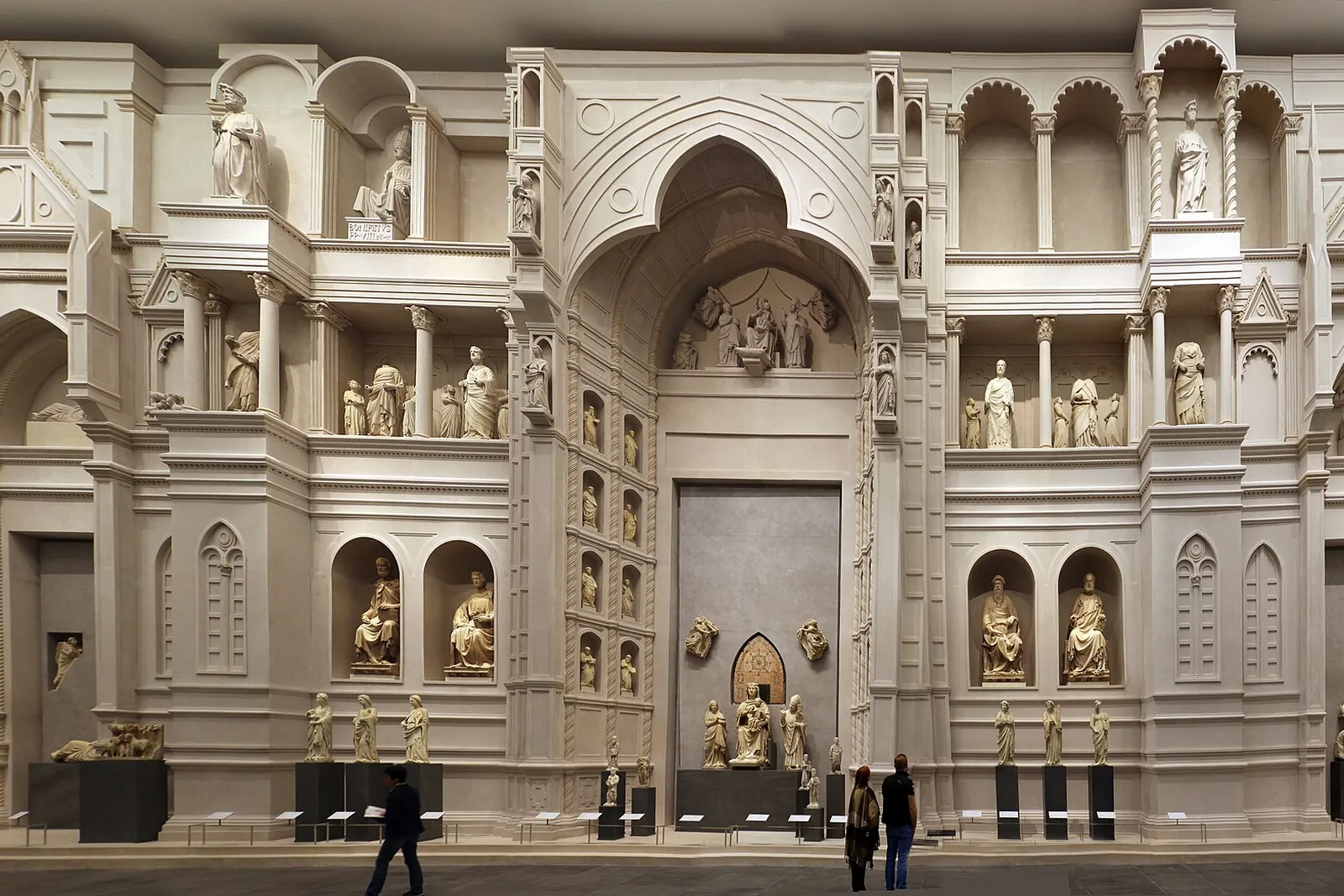
Museo dell'Opera del Duomo
The cathedral's own museum, and one of the best in the city: Ghiberti's original Gates of Paradise, Donatello's Mary Magdalene, Michelangelo's late Pietà and a reconstruction of the cathedral's original facade. Included in every Opera del Duomo pass and often half empty.
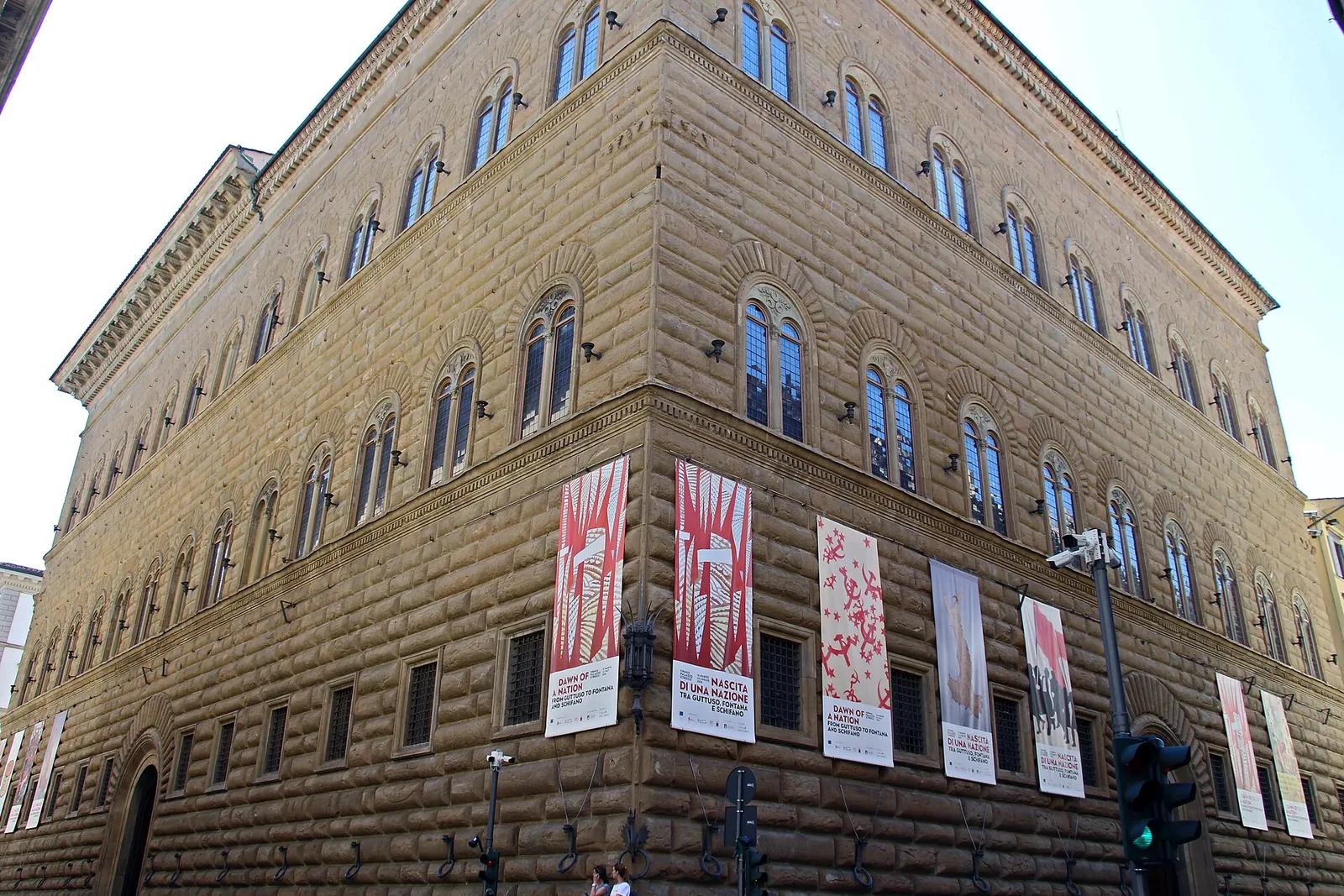
Palazzo Strozzi
A Renaissance palace used for the city's major temporary exhibitions, usually modern or contemporary. The courtyard is free to walk into. Worth checking what is on; quality is high and it opens later than most museums.
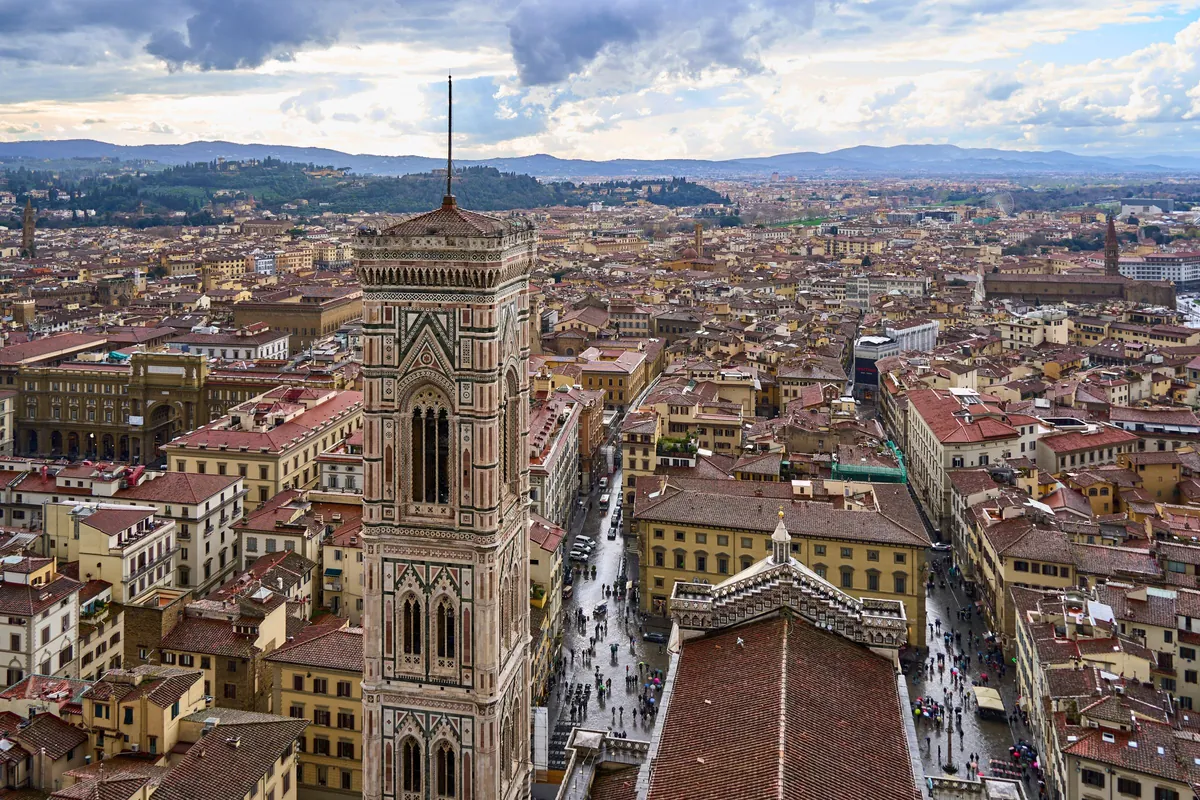
Climbing Brunelleschi's Dome
About 460 steps up between the inner and outer shells of the dome, past Vasari's Last Judgement frescoes, to a terrace above the city. Only the Brunelleschi Pass includes it, the time slot is fixed, photo ID is required, and there is no lift. Not for anyone uneasy in tight spaces.
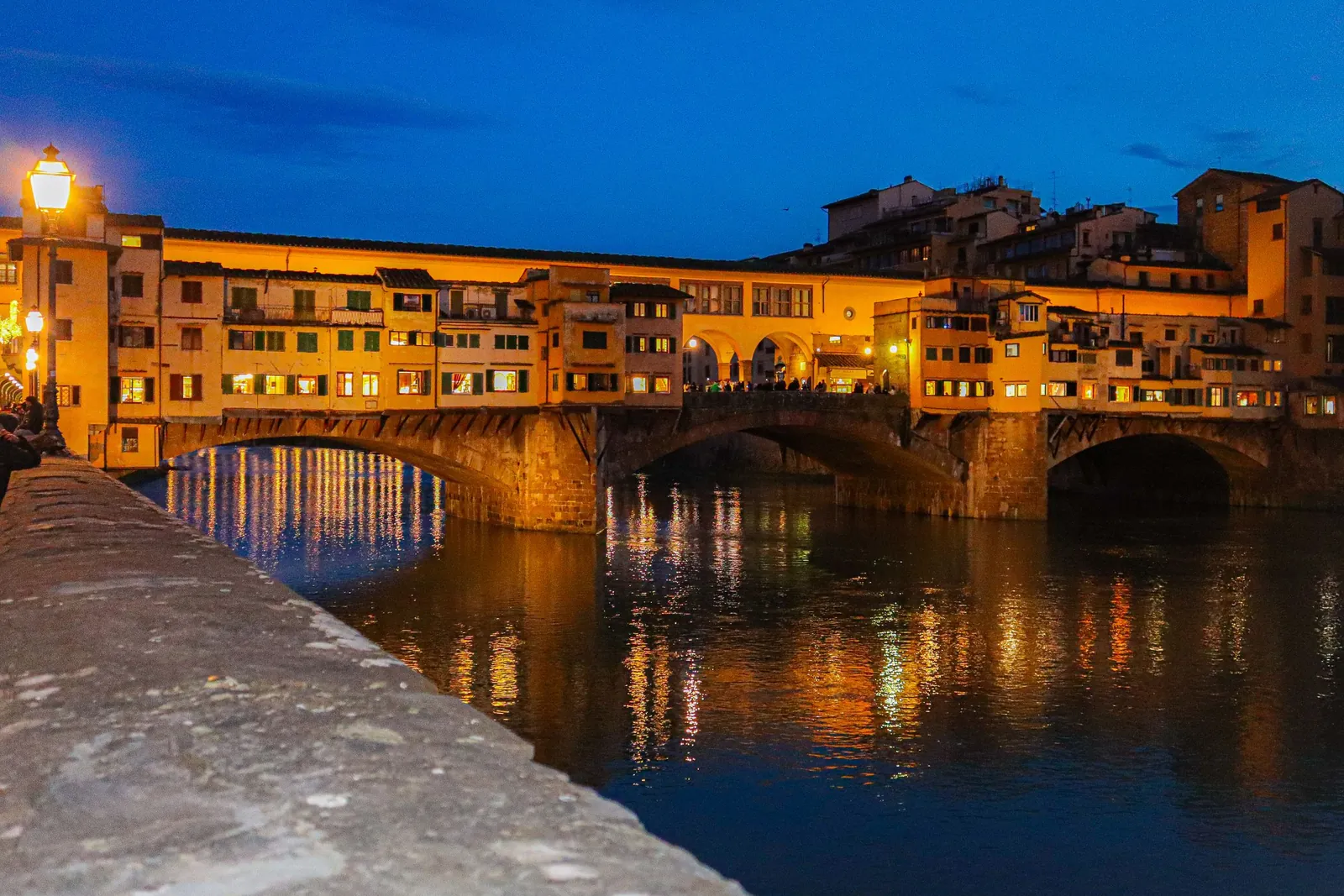
La Terrazza at Hotel Continentale
A rooftop bar on a medieval tower at the north end of Ponte Vecchio, with views along the river to the dome. Seasonal and weather-dependent; outside guests have generally needed a booking with a minimum spend. Check current terms with the hotel.
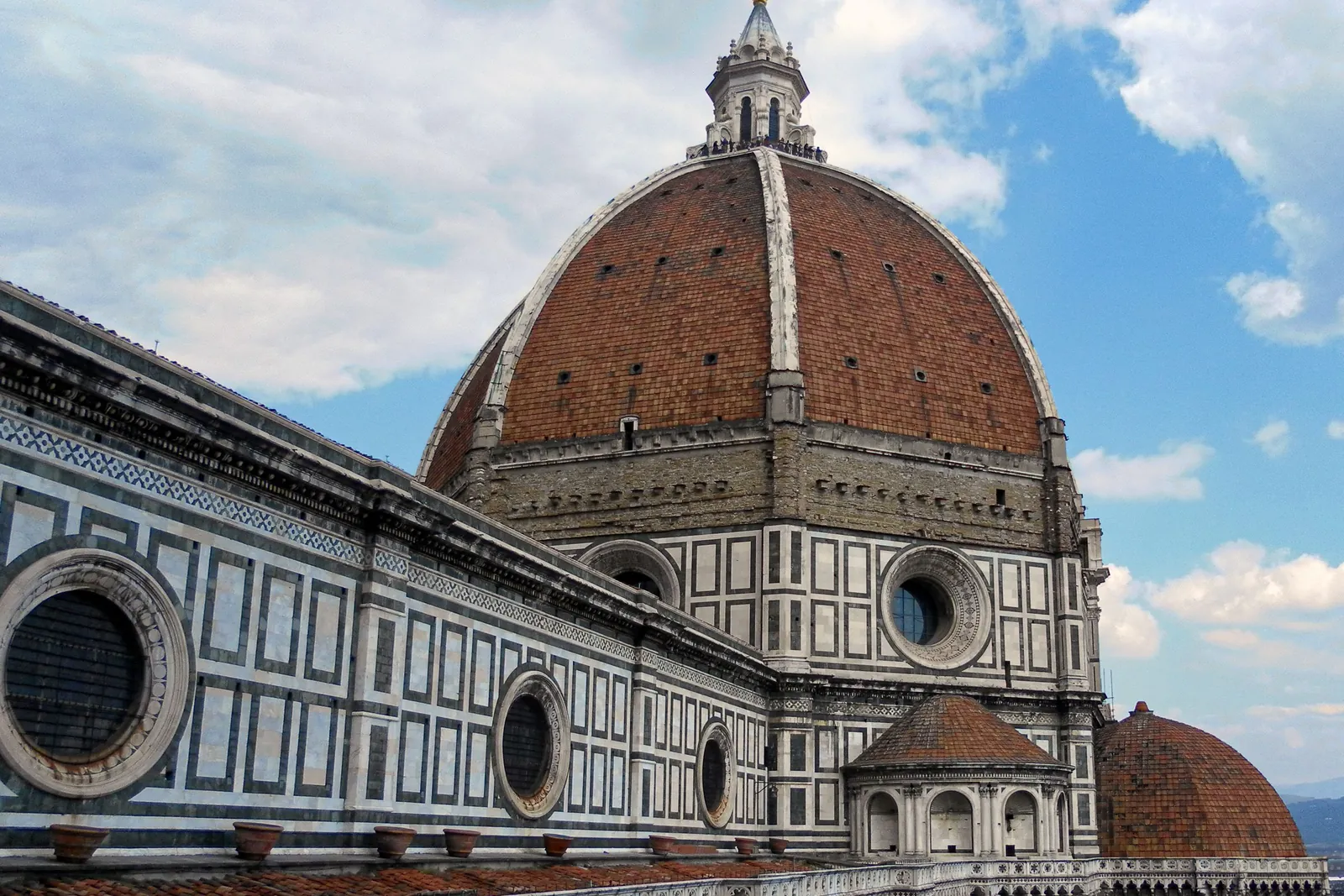
Duomo di Firenze (Santa Maria del Fiore)
Florence's cathedral, finished with Brunelleschi's dome in the 1430s, the largest brick dome ever built. Entry to the cathedral itself is free, with a queue that moves; the dome climb, bell tower, baptistery and museum need a pass from the Opera del Duomo, and the climbs need a booked time slot.
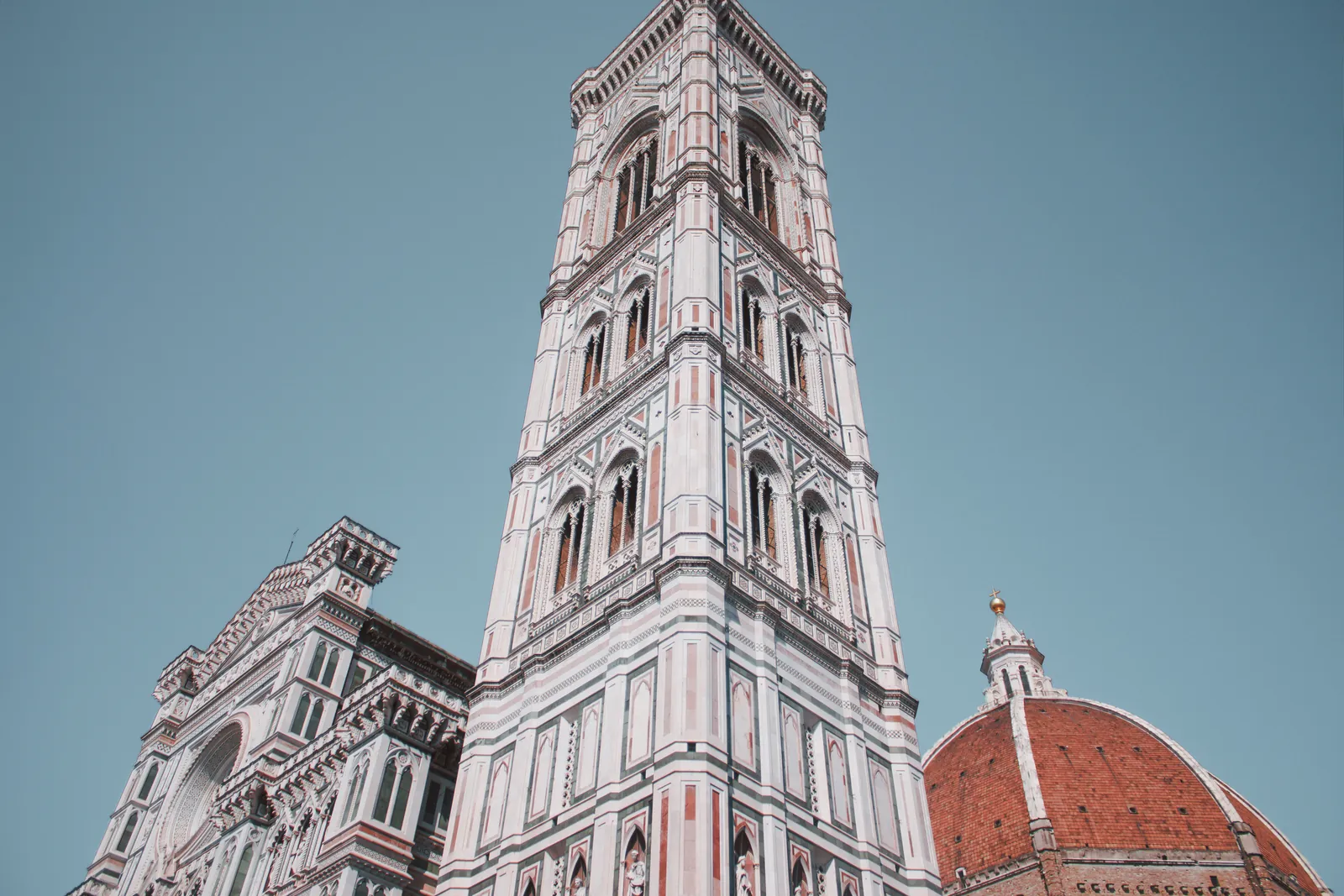
Giotto's Bell Tower
The free-standing bell tower beside the cathedral, begun by Giotto in 1334. The climb is a little over 400 steps with no lift, and the view includes the dome itself, which you cannot see from the top of the dome. Included in the Brunelleschi and Giotto passes; a time slot is required.
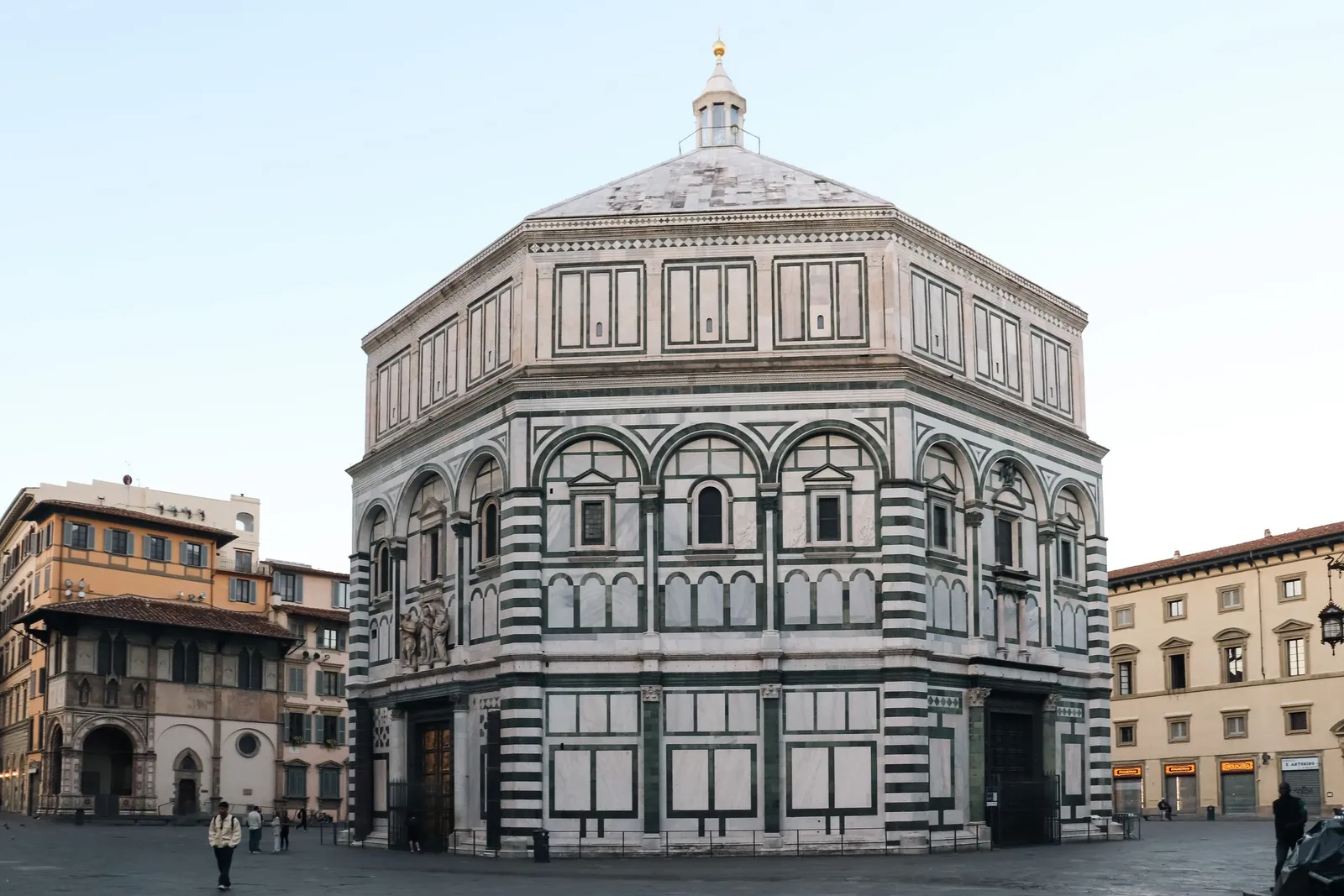
Baptistery of San Giovanni
The octagonal baptistery opposite the cathedral, one of the oldest buildings in the city. Its bronze doors are the reason most people stop: the east doors, Ghiberti's 'Gates of Paradise', are copies on the building, with the originals in the Museo dell'Opera del Duomo. Check whether the mosaic ceiling is under restoration before you pay to go in.
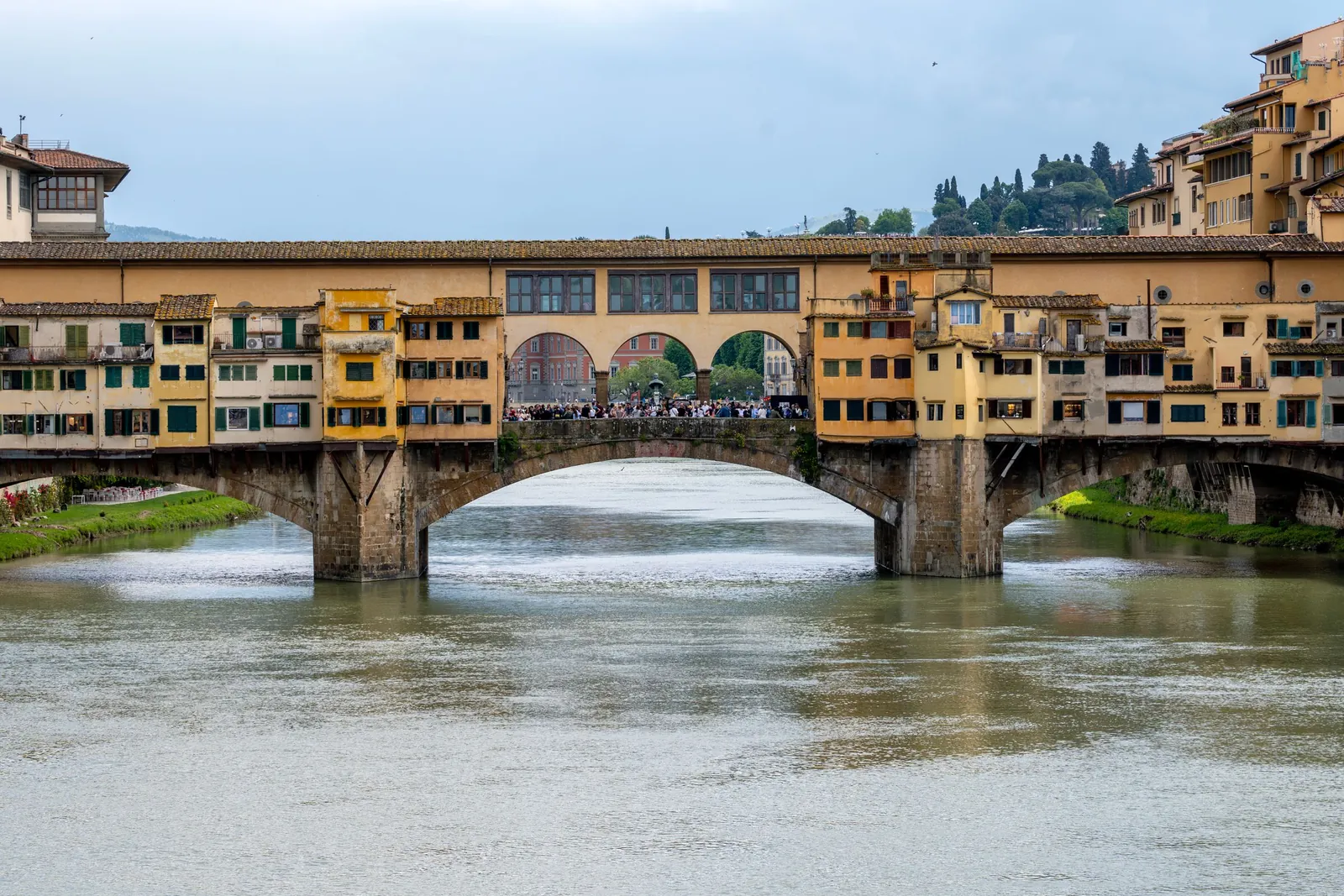
Ponte Vecchio
The medieval bridge lined with jewellers' shops, the only Florence bridge not destroyed in 1944. Free to cross at any hour; it is at its emptiest early in the morning, before the shutters open. Above the shops runs the Vasari Corridor, which can be visited on a separate booked ticket from the Uffizi.
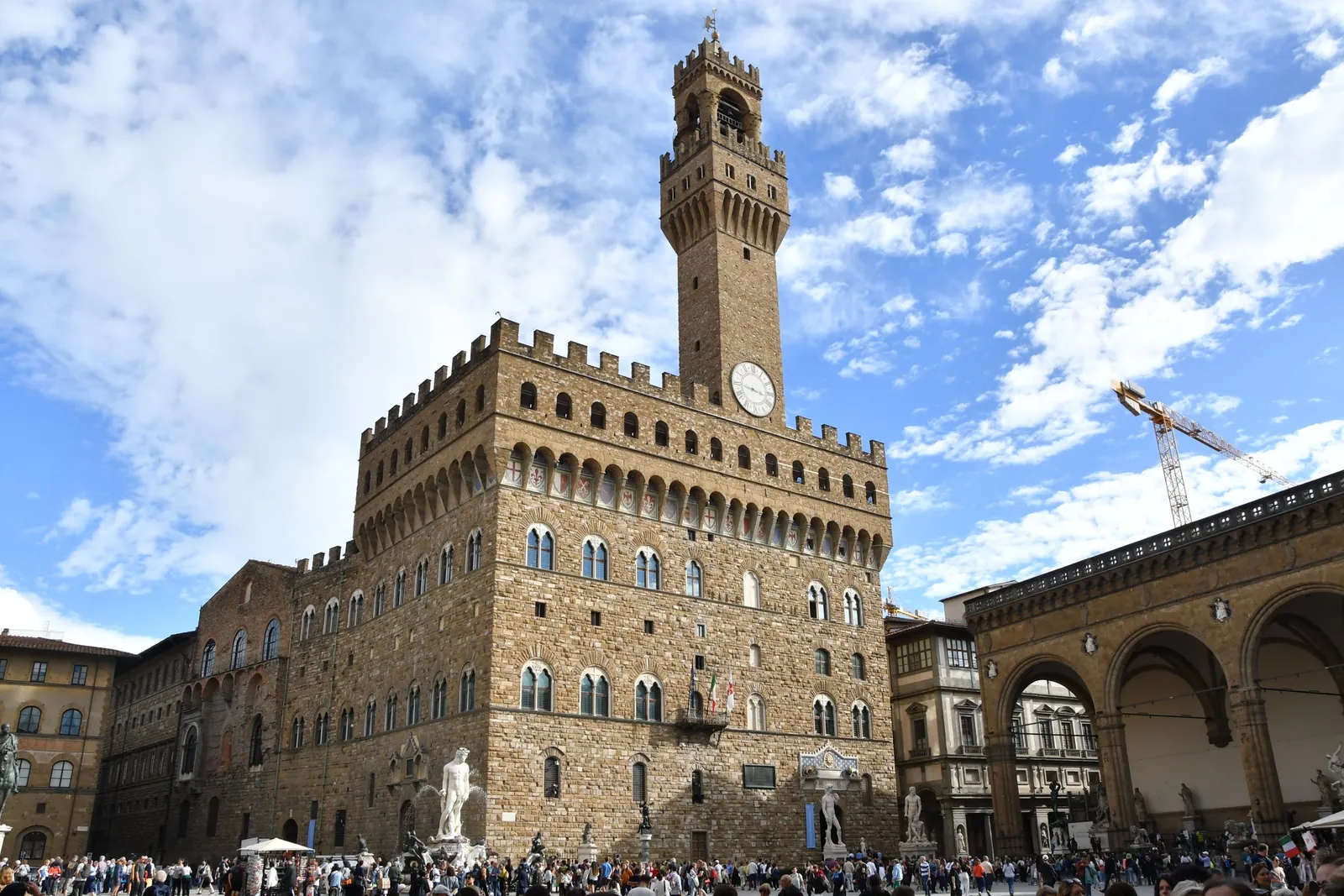
Piazza della Signoria and the Loggia dei Lanzi
The city's political square, in front of Palazzo Vecchio. The open-air Loggia dei Lanzi holds original sculptures, including Cellini's Perseus and Giambologna's Rape of the Sabine Women; the David by the palace door is a copy. Free, and best early in the morning or late in the evening.
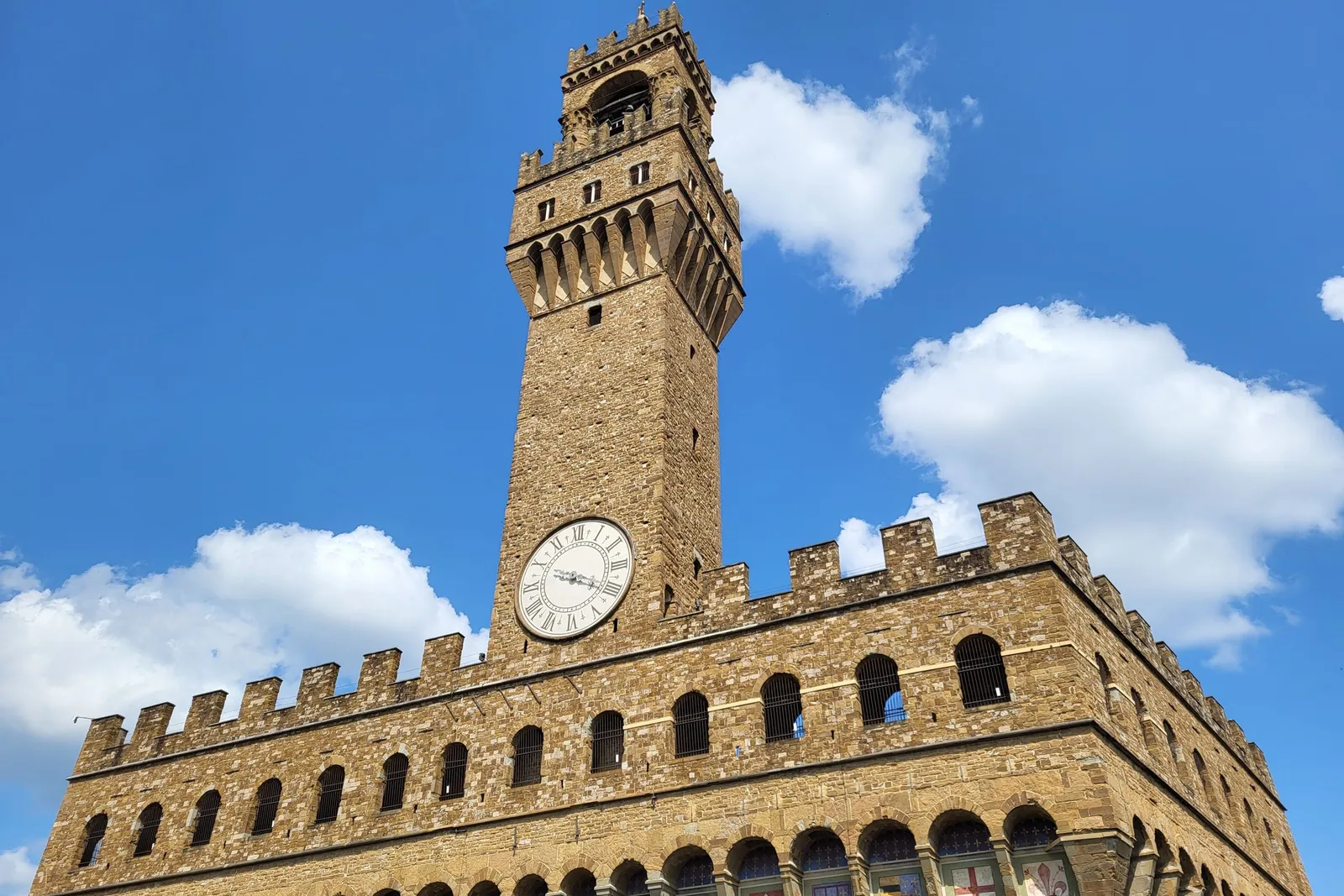
Palazzo Vecchio
Florence's town hall since the 1300s and still in use. Inside, the museum covers the Medici apartments and the vast Salone dei Cinquecento; the Arnolfo tower is a separate, shorter climb with its own rules and is closed in bad weather. Often open later in the evening than the state museums.